
Key Takeaways
- Puzzles and games can help maintain cognitive function and may slow the decline in people with dementia
- Regular mental activity through engaging games supports brain health at any stage
- Memory care communities use structured activities to help residents stay mentally active
- Simple games like card matching and word puzzles work well for people with cognitive changes
- Memory care communities use structured routines and tailored activities to promote cognitive health, which helps residents feel supported every day.
How Puzzles and Games Strengthen Cognitive Abilities
When a loved one is living with memory loss or cognitive changes, it’s natural to look for ways to support their mind. You want to help them stay mentally engaged while also enjoying time together. Fortunately, that’s often easier than people think. Simple, familiar activities—like puzzles and games—can be a meaningful part of that support.
Puzzles and games can help maintain cognitive function and may slow the decline in people with dementia. They both provide mental stimulation and meaningful connection. These activities work by engaging different parts of the brain, which encourages neural pathways to stay active even as cognitive changes occur.
How Brain Games Support Cognitive Health
Think of your brain like a muscle that benefits from regular exercise. When your loved one engages in puzzles and games, they’re giving their mind a gentle workout that can help maintain existing abilities. It’s a workout for the brain: engaging in puzzles and games helps keep those areas active and involved.
The brain has a remarkable ability to form new pathways and adapt, even when facing decline. Activities that engage multiple regions of the brain at once can help maintain existing skills and slow the rate of change. These moments of engagement also offer something equally valuable: enjoyment and a sense of purpose.
Types of Games That Help Cognitive Function
So, what games are ideal for older adults? It helps to look for options that are both simple and adaptable. This way, you can make any needed changes to help your loved one enjoy these excellent senior-friendly options.
Word and Language Games
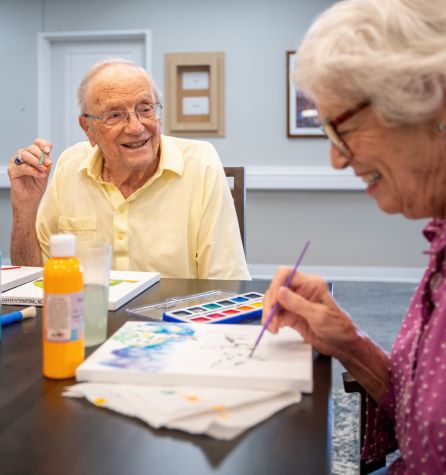
Crossword puzzles, word searches, and simple vocabulary games tap into language skills that often remain strong even as other areas change. These activities can spark conversations about familiar topics and past experiences, which helps your loved one stay connected to familiar ideas and stories.
Memory and Matching Games
Simple card matching games or picture-based memory challenges support short-term memory in a way that feels approachable and rewarding. Matching activities provide instant feedback and offer a clear path to success, one match at a time. Music and rhythm-based activities can work in similar ways to stimulate recall.
Problem-Solving Activities
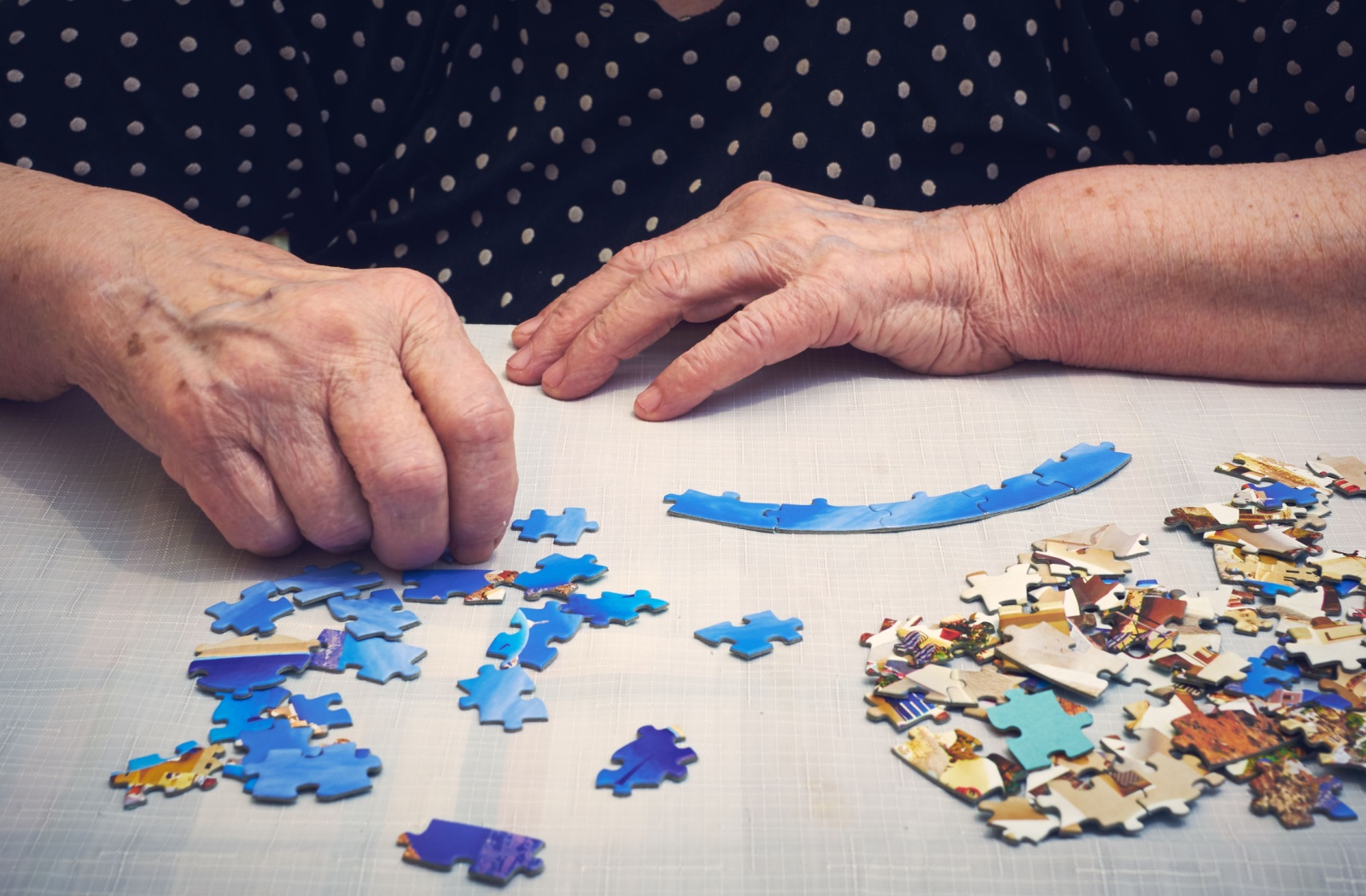
Jigsaw puzzles with larger pieces, simple sequencing games, and pattern-matching activities all support logical thinking. These tasks encourage planning, recognition, and reasoning, which bring satisfaction when something clicks into place or a task is completed.
Adapting Games for Different Stages of Cognitive Decline
Every person experiences cognitive decline differently. What matters most is choosing activities that match your loved one’s current ability level, not where they used to be. Success and enjoyment matter more than difficulty level.
So, it helps to:
- Choose puzzles with fewer pieces or larger images
- Simplify game rules or create your own based on familiar routines
- Focus on color, shape, or sound instead of memory or numbers
- Break activities into shorter sessions to avoid fatigue
- Celebrate participation and enjoyment—not completion
For example, if a 250-piece puzzle feels overwhelming for your loved one, try a 25-piece version instead. Engagement and social connection are just as valuable as the mental exercise itself. If your loved one enjoys the activity, it’s working.
Other Ways to Support Cognitive Health
Mental stimulation is only one part of overall cognitive well-being. Emotional connection, physical movement, and familiar routines all play a role, too. So, it helps to take a wide-angled approach towards preserving your loved one’s cognitive abilities.
Try to:
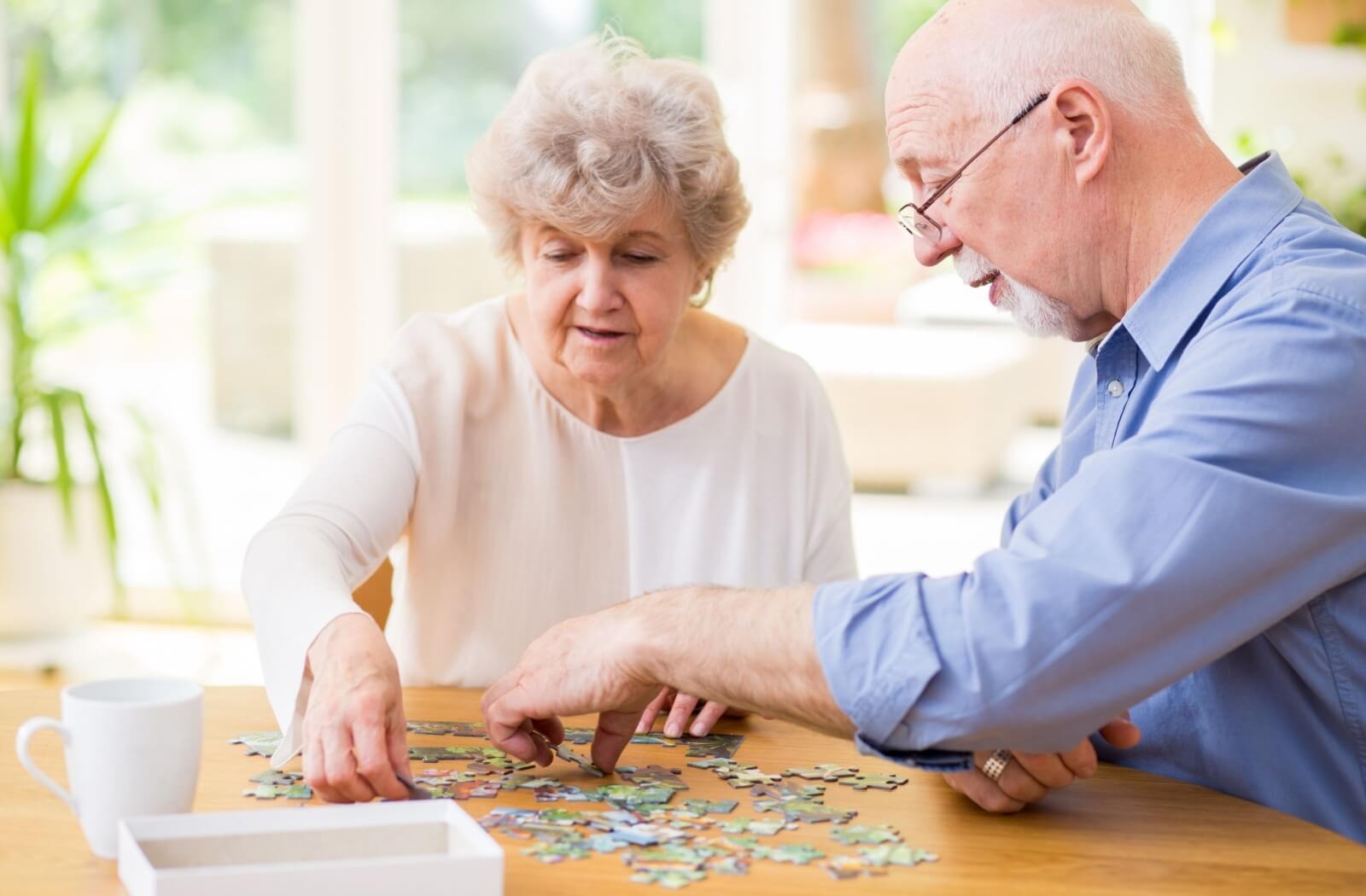
- Encourage social interaction through conversation or shared activities
- Take regular walks or do light movement together
- Maintain a consistent daily rhythm to reduce stress
- Play music that connects to positive memories
- Offer reassurance and space for rest when needed
All of these contribute to a more supportive, engaging day. And when cognitive decline is involved, this can be invaluable.
How Memory Care Communities Use Games and Activities
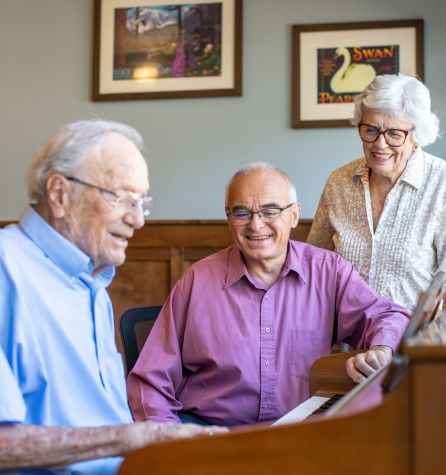
Memory care is a specialized type of senior living. It’s entirely built around helping older adults preserve their cognitive abilities and quality of life—even when memory loss or decline is involved. They offer a structured environment with trained staff who understand how to support cognitive health through daily routines, meaningful activities, and compassionate care.
Memory care offers:
- Structured daily schedules that reduce confusion and support memory retention
- Tailored cognitive activities that match each resident’s abilities and interests
- Trained caregivers who adapt activities in real time based on each person’s needs
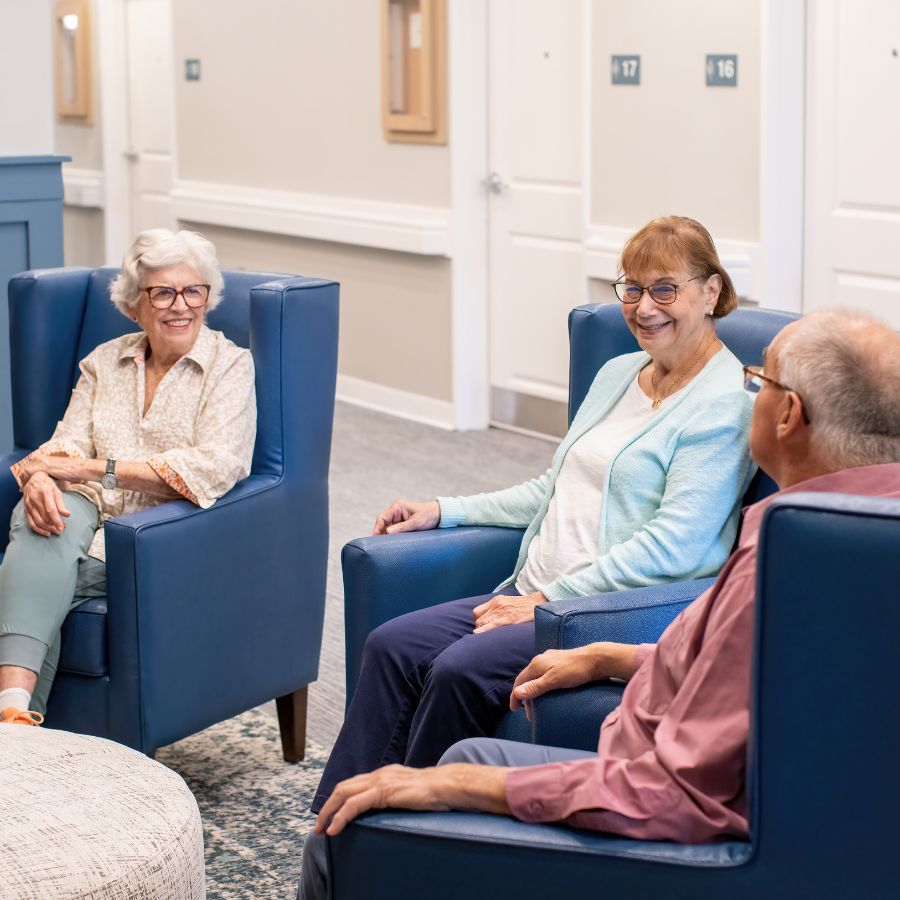
- Purposeful social opportunities that help maintain communication and connection
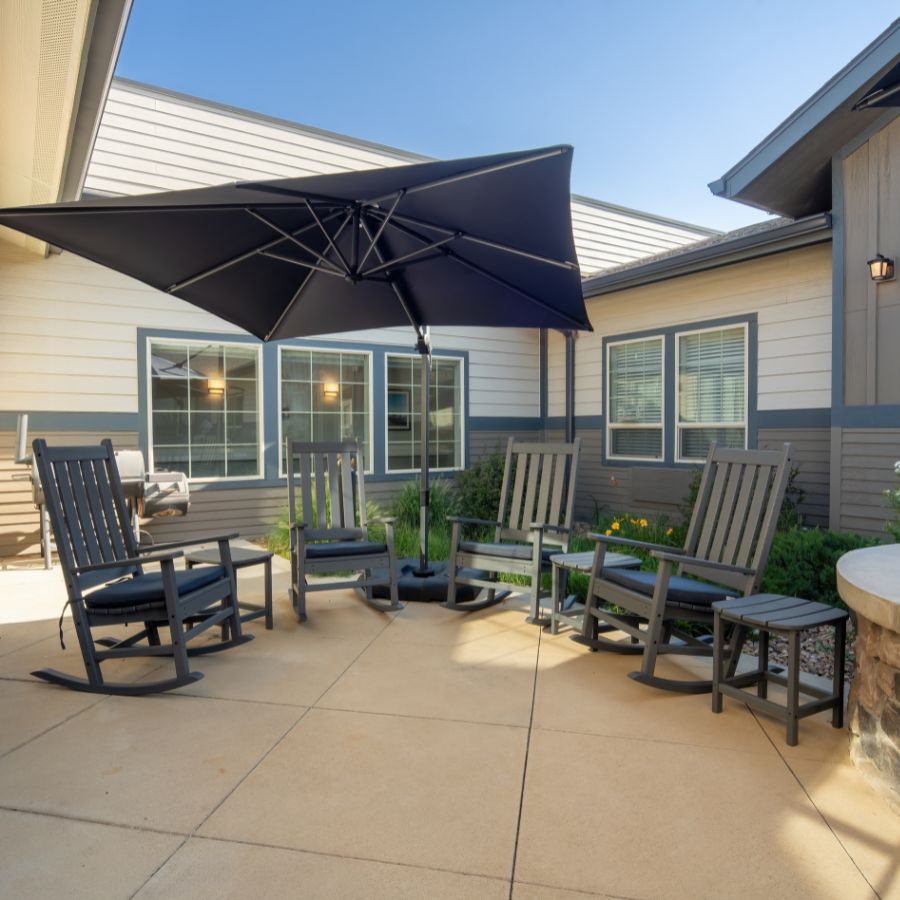
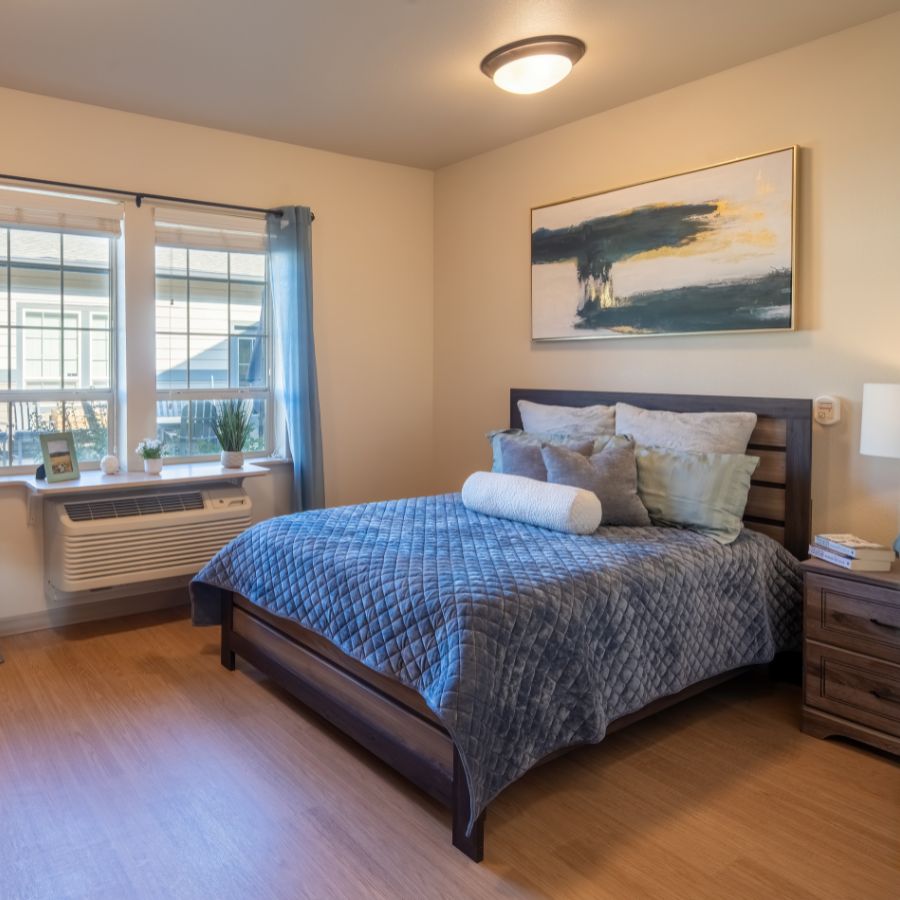
- Safe, thoughtfully designed environments that reduce stress and promote focus
With the right support, your loved one can continue to experience connection, comfort, and small successes each day. That’s the true value of memory care.
Building Cognitive Strength With Support
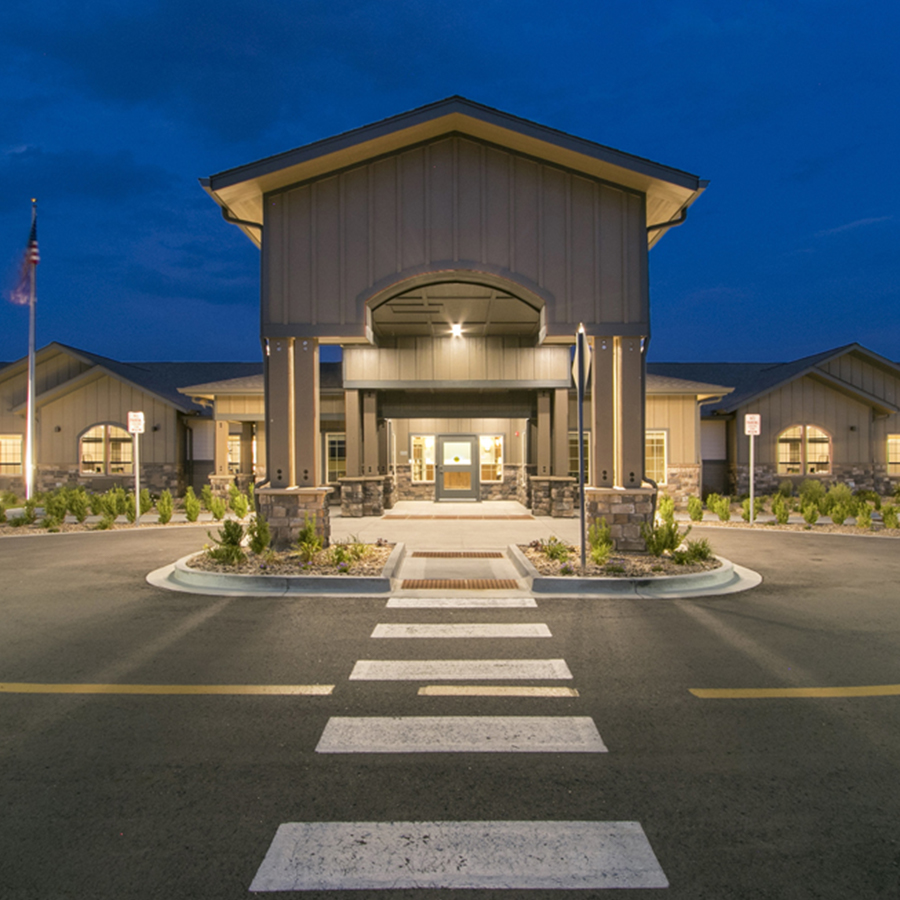
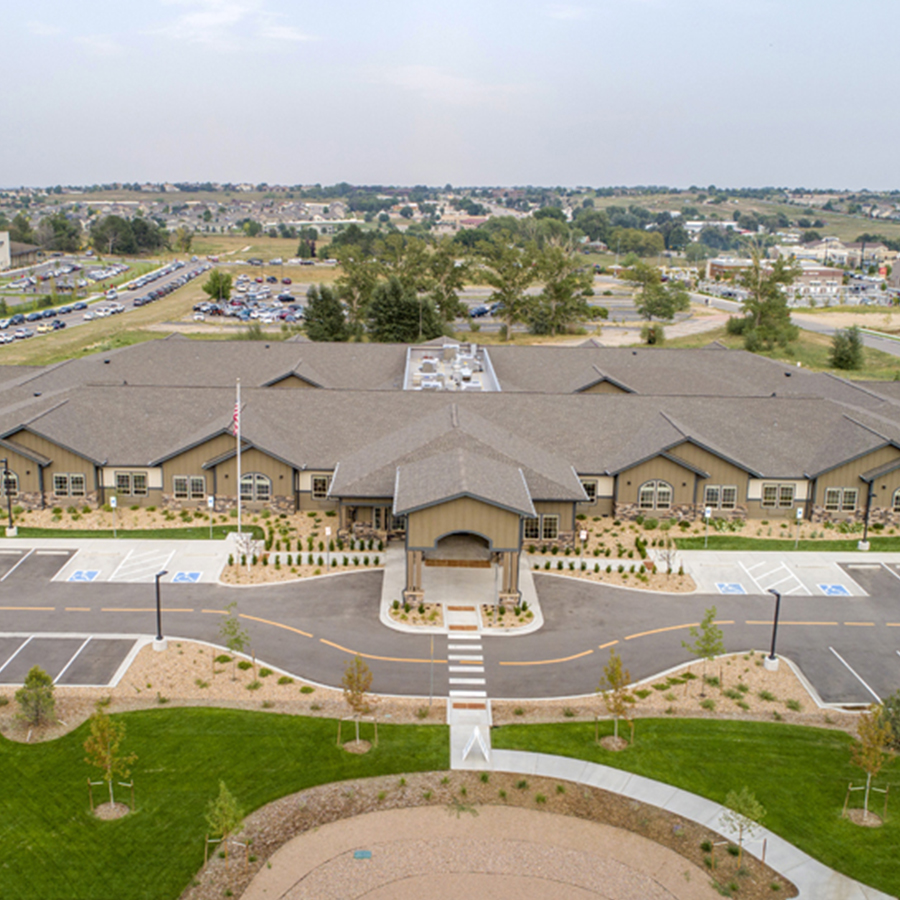
Activities that support the brain don’t need to be complicated. The most meaningful moments often come from simple games, thoughtful adaptations, and the time you spend together. That’s why our team here at High Plains Crossing has worked so hard to make games like these a part of everyday life.
In our community, we’re happy to help residents every day. Whether your loved one enjoys games, puzzles, fitness programs, or any other option we offer, we’d be glad to welcome them to their new home. Schedule a tour today to see our approach in action!