

Key Takeaways
- Personalized care plans adapt to each person’s unique abilities, background, and changing needs throughout their dementia journey
- Early-stage care focuses on maintaining independence and choice while building confidence through gentle support
- Mid-stage approaches emphasize structured routines, modified activities, and specialized communication techniques
- Late-stage care prioritizes comfort, dignity, and meaningful connections through sensory experiences and family involvement
Supporting Your Loved One Through Every Stage of Dementia
Watching your loved one navigate dementia brings unique challenges at every stage. You want them to receive care that honors who they are while meeting their changing needs with compassion and understanding.
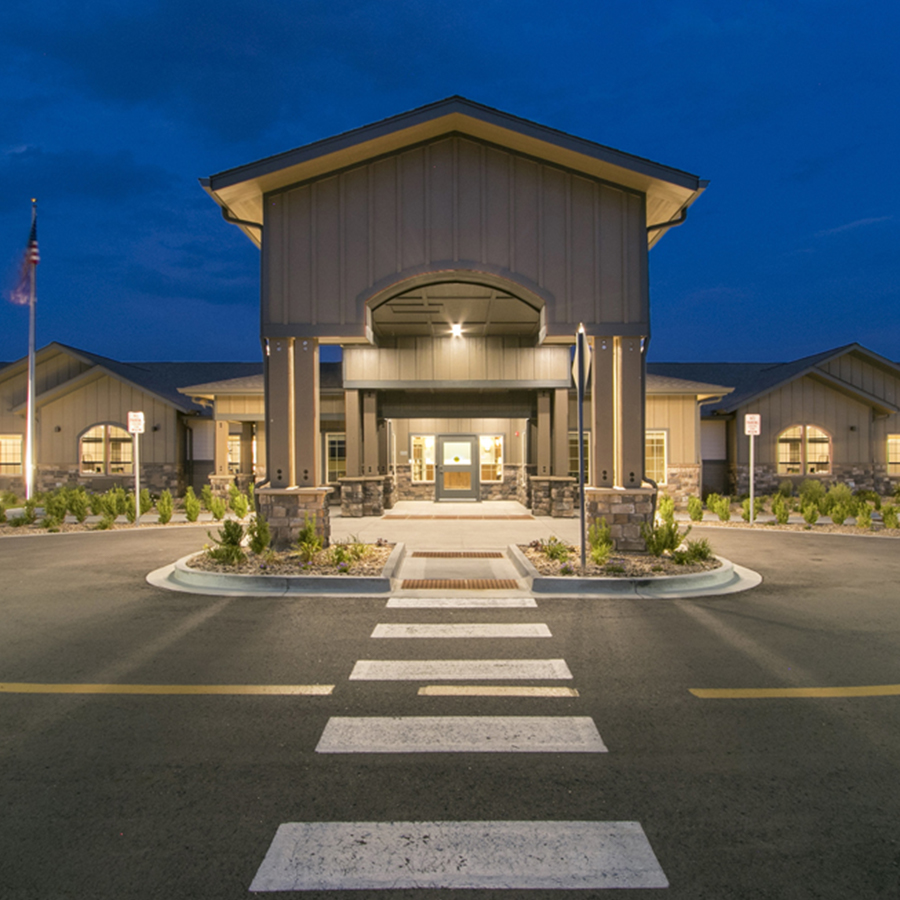
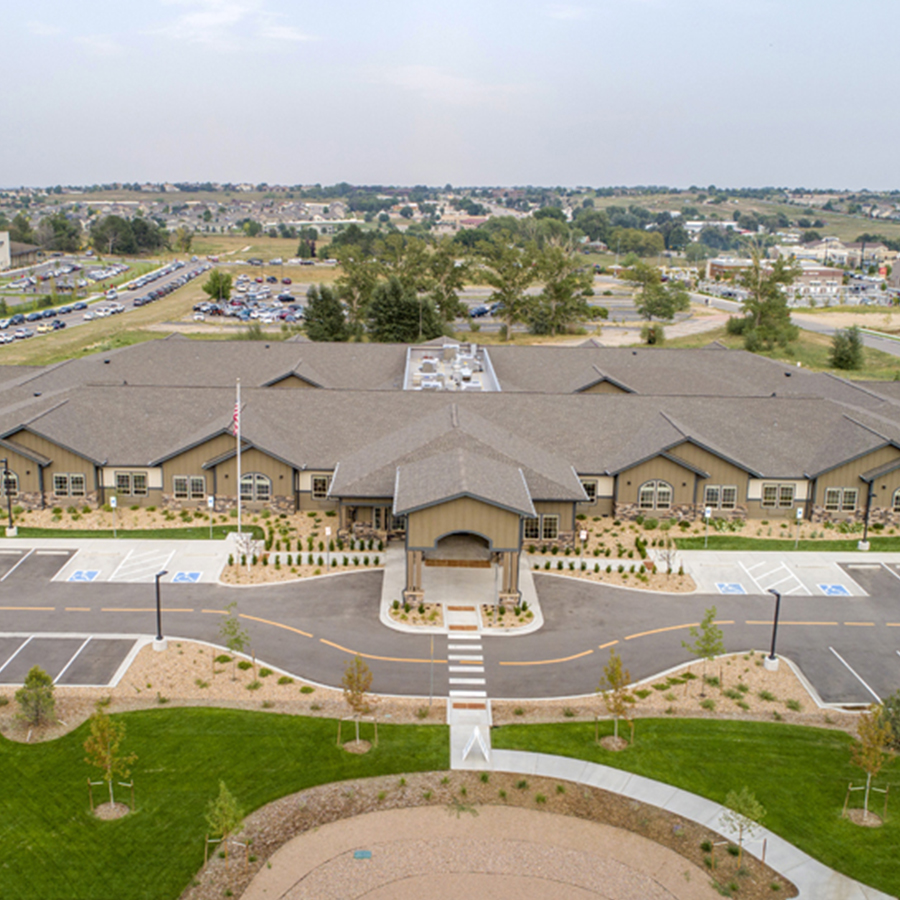
At High Plains Crossing, our team of trained professionals understands these concerns and works closely with families through every step of the journey.
Personalized care plans provide the foundation for supporting residents with early- to late-stage dementia by adapting approaches to individual backgrounds, current abilities, and evolving care needs.
These plans recognize that no person experiences cognitive decline the same way, helping your family member receive memory care tailored specifically to their story and situation.
What Makes Memory Care Plans Personal?
Individual Story and Background Assessment
Every person arrives at memory care with a rich history that shapes who they are. Care teams take time to learn about your loved one’s life story, including their personal preferences and the traditions that brought them joy.
Understanding their previous careers, hobbies, and passions can help associates connect with residents in meaningful ways. The background information becomes the foundation for creating daily experiences that feel familiar and comforting.
When community team members know your mom was a teacher or your dad loved woodworking, they can incorporate these elements into activities and conversations.
Current Abilities and Support Needs
Beyond life history, personalized plans assess what your loved one can do today and where they need gentle assistance.
The care team evaluates how your loved one manages core care tasks, known as activities of daily living, like dressing, eating, and personal care, to provide the right amount of support without taking away independence.
Communication patterns and physical health are essential considerations. Some residents respond to visual cues, while others prefer verbal guidance. These preferences help the community team tailor their approach to each person’s communication style.
Early-Stage Dementia Care Approaches
Maintaining Independence and Choice
During early-stage dementia, your loved one likely maintains many abilities and enjoys making their own decisions.
Personalized care plans support this by encouraging self-directed daily routines whenever possible. Residents can choose what to wear, when to eat, and which enriching activities interest them most.
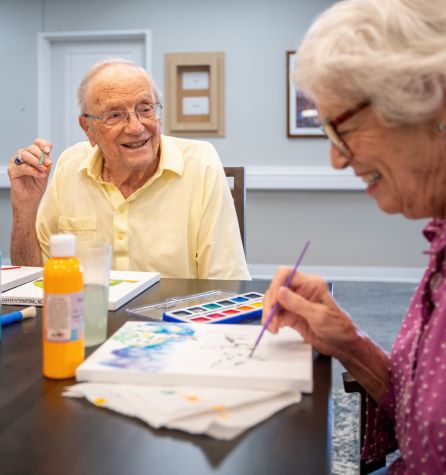
Familiar activities from their past remain accessible, so your loved one can participate in hobbies and interests that bring satisfaction. Nurturing these familiar connections can help your loved one maintain their sense of identity and purpose during a time when other things feel uncertain.
Building Safety and Confidence
While independence remains important, gentle guidance and reminders can help your loved one navigate daily tasks safely. Our team can provide subtle support that builds confidence rather than highlighting limitations.
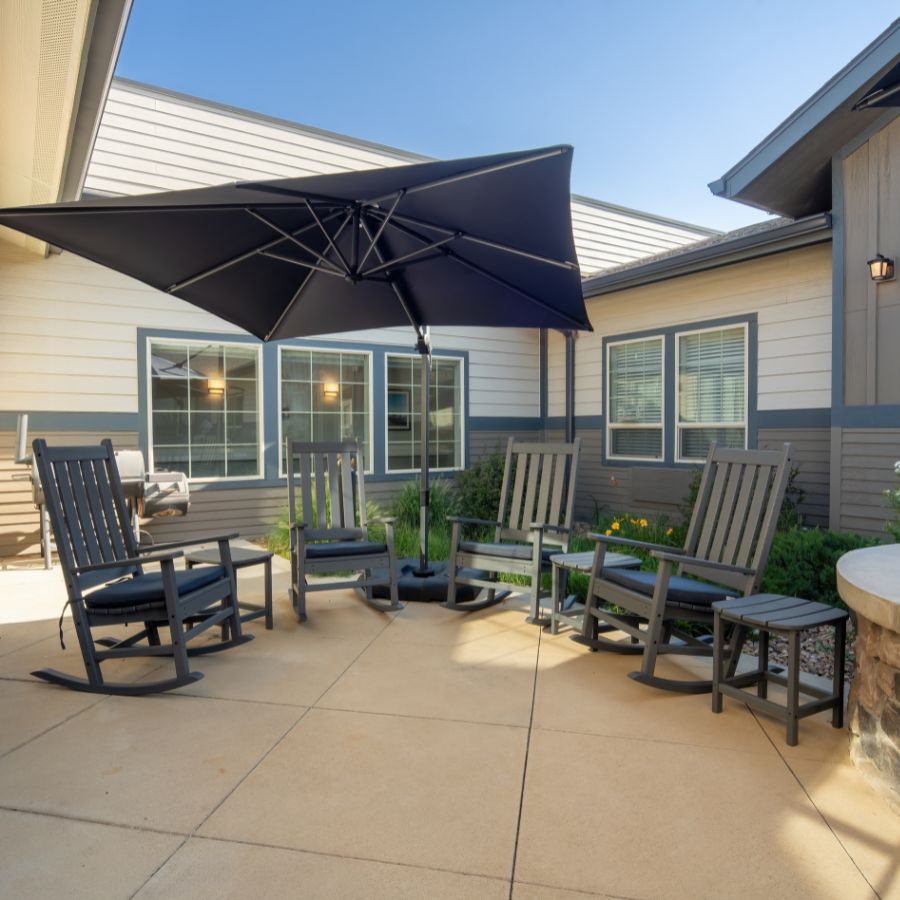
We designed our memory care neighborhood environment for convenient navigation and safety. Thoughtful safety modifications help create a secure environment without feeling restrictive, including grab bars and clutter-free spaces.
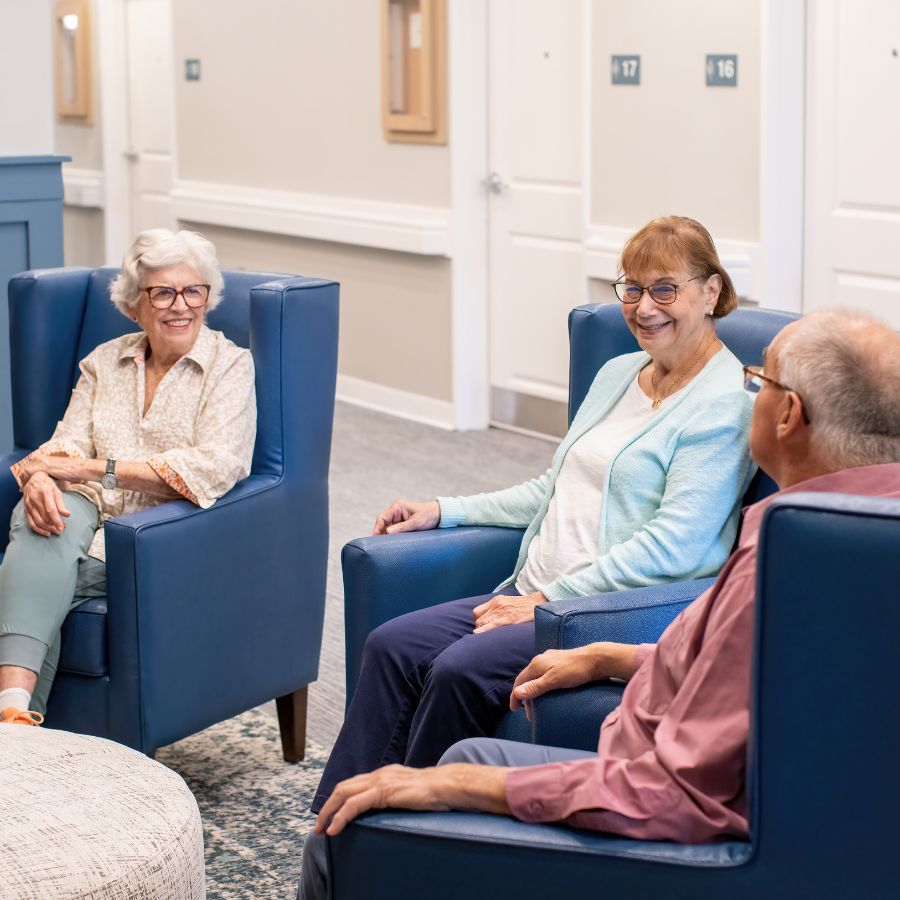
Social connections are encouraged through group activities and one-on-one interactions. These relationships provide emotional support and can help residents feel valued within their community.
Mid-Stage Dementia Support Strategies
Structured Daily Experiences
As dementia progresses, your loved one benefits from more structure and predictability. Consistent routines and timing can help reduce confusion and create a sense of security throughout the day.
Our team can modify activities to match your loved one’s current abilities, so there are no obstacles to their engagement and enjoyment.
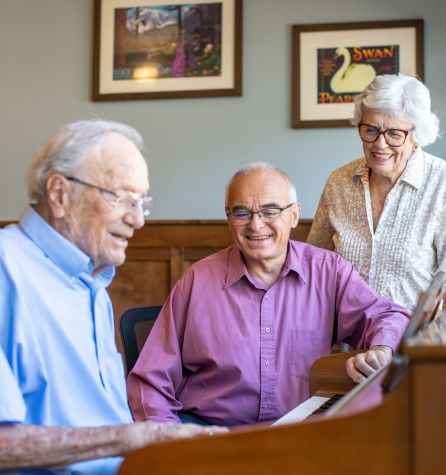
Sensory engagement programs tap into different ways of experiencing the world. Music, textures, scents, and visual elements can spark positive responses even when verbal communication becomes more challenging.
Communication and Behavioral Support
Mid-stage dementia often brings changes in communication and behavior that can feel overwhelming for families.
Our memory care team has been trained in effective communication techniques, enabling them to use nonverbal cues, gentle touch, and active listening to maintain connections with residents.
When confusion or anxiety arises, comfort measures and redirection approaches can help restore calm. These strategies focus on understanding and addressing the emotions behind behaviors rather than simply managing the behaviors themselves.
Late-Stage Dementia Care Focus

Comfort and Dignity Priority
Late-stage care shifts focus toward helping your loved one feel comfortable and maintain their dignity.
Physical comfort measures address pain management, positioning, and creating peaceful surroundings. Personal care assistance becomes more comprehensive while remaining gentle and respectful.
Environmental considerations become increasingly important, with quiet spaces and soothing atmospheres that promote rest and relaxation. Specialized dementia care becomes particularly important during this stage as needs become more complex.
Meaningful Connection Methods
Even in late stages, meaningful connections remain possible through music therapy, familiar scents, and gentle touch. These sensory experiences can provide comfort and spark moments of recognition or peace.
Family involvement continues to play a valuable role, with community caregivers guiding you to find ways to connect with your loved one that feel meaningful for both of you. Staying connected from a distance offers additional strategies for maintaining relationships throughout the journey.
Experience Compassionate Memory Care at High Plains Crossing
At High Plains Crossing, our Touchpoints approach brings together all aspects of personalized care through 5 core principles: protect, empower, affirm, comfort, and engage.
Our comprehensive method helps your loved one receive care that adapts to their changing needs while honoring their individual story.
Care plans receive regular updates and adjustments as needs evolve, with family partnership remaining central to the planning process. Your insights and involvement can help create a supportive environment for your loved one’s journey.
Contact our High Plains Crossing team today to schedule a tour and learn how personalized memory care can support your family.