

Key Takeaways
- Movies about Alzheimer’s can help you better understand your loved one’s experience and your own emotions as a caregiver.
- Films like “Still Alice,” “The Notebook,” and “Away From Her” show realistic portrayals of cognitive decline while highlighting love and resilience.
- Watching movies together can create meaningful bonding moments and spark conversations about your loved one’s past.
- These stories teach valuable lessons about personalized care, maintaining dignity, and finding joy in daily moments.
- Professional memory care communities apply many of the same compassionate approaches shown in these heartwarming films.
How Movies Help You Connect with Your Loved One’s Experience
When you’re caring for someone living with cognitive decline, it can feel isolating and overwhelming. Movies about Alzheimer’s offer a window into experiences that might feel familiar to your own journey. These films don’t just tell stories—they help you see the world through your loved one’s eyes and validate the complex emotions you’re both feeling. High Plains Crossing understands how important these connections are in your caregiving journey.
Films provide relatable perspectives that make the challenges of cognitive decline feel less alone.
You might recognize moments from your own life reflected on screen, which can bring comfort and understanding. Stories help normalize the ups and downs that families face, showing you that other people have walked this path too. Learning more about when memory care is needed can also help you better understand your loved one’s changing needs.
Heartwarming Films That Show Love and Resilience
Still Alice
This Academy Award-winning film follows Alice, a linguistics professor who receives an early-onset Alzheimer’s diagnosis. The movie shows how she and her family navigate the changes that come with cognitive decline. You’ll see realistic portrayals of daily challenges, from getting lost in familiar places to struggling with words that once came easily.
What makes “Still Alice” special is its focus on maintaining dignity and identity even as abilities change. The film shows how Alice’s family learns to adapt their communication and support her in new ways. You’ll notice how they celebrate her strengths while gently helping with areas where she needs more assistance.
- The movie emphasizes that people with Alzheimer’s are still whole individuals with valuable perspectives.
- Family bonds strengthen as everyone learns new ways to connect and communicate.
- Daily routines and familiar environments become important sources of comfort and stability.
The Notebook
This beloved film demonstrates how love can reach through the fog of cognitive decline. You’ll watch as Noah reads their love story to his wife, Allie, who lives with dementia. The movie shows how personal connections and familiar voices can create moments of clarity and joy, even when someone’s condition has progressed significantly.
The film highlights the power of storytelling and how sharing personal history can spark recognition and emotional connection. You’ll see how Noah uses photographs, music, and their shared experiences to help Allie connect with her identity and their relationship. Understanding the difference between memory care and dementia care can help you better support your loved one at different stages.
- Familiar faces and voices provide comfort and security in moments of confusion.
- Personal stories and shared experiences can reach someone even when other forms of communication become difficult.
- Love takes many forms, and relationships can remain meaningful even as they change.
Away From Her
This gentle film explores how relationships evolve when one partner moves to a memory care community. You’ll follow Grant as he learns to navigate his wife Fiona’s changing needs and personality. The movie offers an honest look at difficult decisions while showing how professional care can support both residents and their families.
The film focuses on acceptance and finding peace with changes that feel beyond your control. You’ll see how compassionate care approaches help Fiona feel comfortable and valued in her new environment, while Grant learns new ways to show his love and support.
- Professional caregivers can provide specialized support that families might not be able to offer at home.
- Moving to memory care doesn’t mean giving up—it means finding new ways to care for your loved one.
- Relationships can remain meaningful even when they look different from how they used to.
What These Stories Teach About Memory Care

These films reveal important insights about caring for someone with cognitive decline. You’ll notice common themes about the importance of treating each person as an individual with unique needs, preferences, and stories. The movies show how personalized approaches help people feel comfortable and valued, regardless of their cognitive abilities.
The stories also demonstrate how maintaining familiar routines can provide stability and comfort. You’ll see characters finding joy in simple activities like listening to music, looking at photographs, or spending time in nature. These moments remind you that happiness and connection are still possible, even when life looks different from how it used to.
Learning about the advantages of memory care communities can help you understand how professional care teams apply these same principles of dignity and personalized support in real-world settings.
How Movies Help You Process Your Own Feelings
Caring for someone living with cognitive decline brings up complex emotions that can feel difficult to manage. These films provide validation that your feelings—whether they’re sadness, frustration, love, or hope—are completely normal. You’ll see other families experiencing similar challenges and emotions, which can help you feel less alone in your journey.
Movies also illustrate how families navigate difficult situations with grace and love. You might discover new perspectives on your own situation or find inspiration for approaching challenges differently. These stories remind you that finding moments of joy and connection is possible, even during difficult times.
Memory Care Communities Can Help
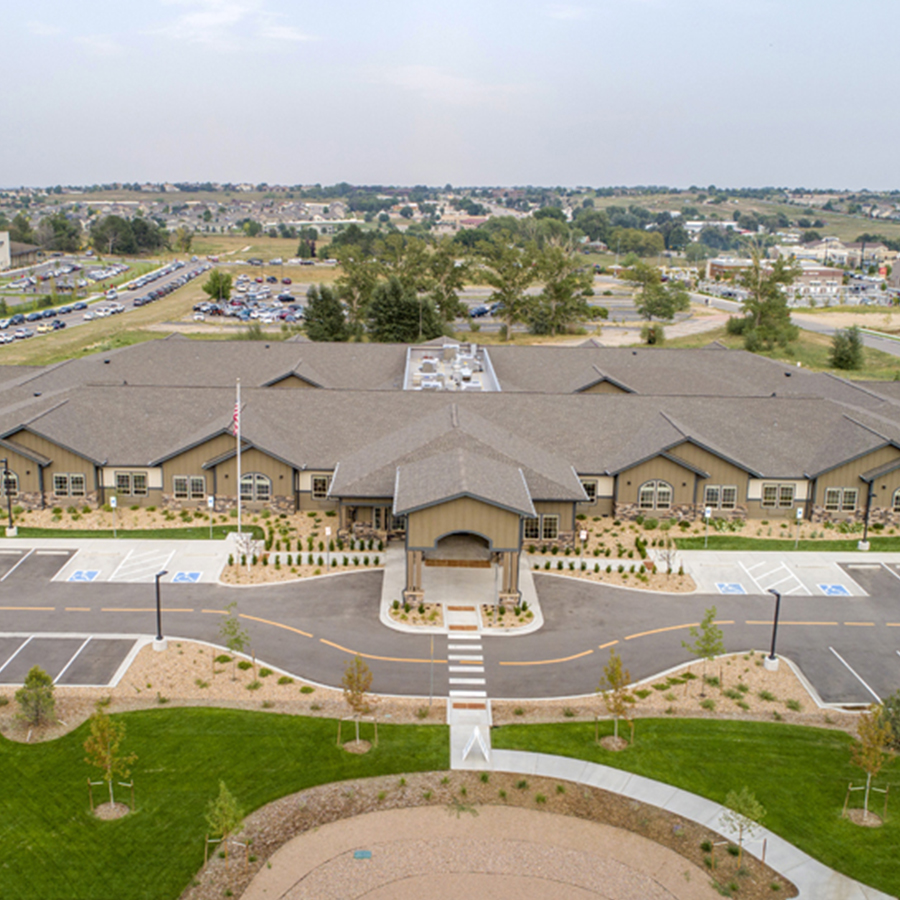
At High Plains Crossing, we understand the journey you’re on with your loved one. Our compassionate memory care community provides personalized support and an engaging environment that reflects the love and dignity shown in these meaningful films. We’d love to share more about how our Touchpoints approach can support your family’s unique story.
Consider scheduling a tour to see how we create a nurturing community where your loved one can continue to thrive.