

Key Points to Keep in Mind
- Natural aging includes brief moments of forgetfulness that don’t pose safety risks or rapidly escalate
- Typical memory shifts still let your family member manage everyday routines safely and independently
- Memory conditions can alter familiar habits and create steady behavioral differences over time
- Checking in early empowers you to plan ahead and thoughtfully review all supportive living options
- A welcoming senior living community offers a secure, enriching space where your loved one can find daily joy
Recognizing the Difference Between Typical Aging and Memory Conditions
Seeing a parent search for the right word or misplace their keys can naturally stir up some concern. We know you want them to remain comfortable, safe, and happy at home.
Our compassionate team at High Plains Crossing understands you may be wondering whether these small moments suggest a larger shift, such as cognitive decline. Moving through this season of life takes plenty of patience, warmth, and steady support for the whole family.
As a devoted caregiver, you aim to make decisions that truly nurture their wellness. Learning helpful information can bring peace of mind and help you build a strong plan for the days ahead.
Normal memory changes can cause minor slips that don’t disrupt daily routines. Cognitive conditions can lead to gradual shifts in independence and habits.
Natural Shifts in Brain Health as We Age
Common Memory Moments in the Senior Years
Sometimes your parent might overlook a neighbor’s name, only to recall it a few hours later. They may also set down their favorite glasses and have to search the house to find them again. You may also notice that learning to use a new smartphone takes a little extra time.
These gentle pauses are a very standard part of reaching the golden years, and they rarely interrupt a normal daily flow. On their own, these signs usually don’t indicate an urgent need for specialized memory support.
Understanding Why Forgetfulness Happens
Brain volume naturally decreases as we move through life, so it can take a moment longer to process new details. Even with these adjustments, your loved one can continue their preferred routines and hobbies.
They’re still completely capable of making their favorite breakfast, paying their bills, and choosing their outfits independently. It can be reassuring to know these minor mix-ups are often a normal part of the aging journey.
Offering a little extra grace helps them handle these moments with complete ease.
Recognizing the Need for Extra Cognitive Support
Shifts in Behavior to Keep an Eye On
Dedicated dementia care can be a vital resource when maintaining safety at home takes more effort. Your family member may have trouble remembering the way to their favorite grocery store, or they might need assistance with chores they used to breeze right through.
You could also observe changes in their overall mood or a deeper shift in cognitive health that calls for tender, consistent guidance.
The Ways Memory Changes Influence Daily Routines
Someone navigating significant memory loss may occasionally store everyday items in unexpected places, like leaving the TV remote in the pantry. They might struggle to keep up with lively family conversations or articulate their feelings and needs.
It’s also common to see them step back from social events, community clubs, or hobbies they have always cherished. A supportive memory care environment offers an opportunity to keep them actively involved and comfortable.
Spotting the Nuances Between These Changes
Brief Moments vs. Consistent Memory Shifts
Normal aging forgetfulness occurs infrequently and doesn’t stop your loved one from enjoying their day. Conversely, bigger cognitive changes steadily alter their ability to manage daily tasks over a span of time.
An older adult experiencing standard aging will still know how to operate the coffee maker or change the channel. But a person living with a memory condition may hold those same familiar objects and be unsure of what they do.

Understanding Their Own Memory Adjustments
With typical aging, people remain very aware of their occasional memory slips and small mix-ups. Your mother or father might even laugh about spacing out on a lunch appointment with their best friend.
On the other hand, people living with memory conditions often overlook their behavioral changes completely. They may not realize they are having a harder time.
They often feel confident that all is well, even as daily routines become quite challenging. Families can learn to identify these obstacles in their loved one’s life as signs that it’s time to offer a helping hand.
Supportive Steps to Guide Your Family
Pay Attention to the Little Details Early On
A wonderful first step in supporting your loved one is simply spending time with them in their own space. By observing their routines with love, you can gently notice ongoing confusion or changes in their disposition.
These insights help you assess brain health thoughtfully and keep the rest of the family informed. Noticing these shifts promptly paves the way for meaningful conversations and collaborative planning for their future happiness.
Discover Uplifting Memory Care Communities Nearby
Modern senior living environments provide secure, supportive settings for older adults navigating cognitive changes. Tailored memory care lovingly centers around your family member’s unique physical, emotional, and social needs.
Embracing this level of specialized assistance can give families true peace of mind as they enter a new chapter together. Exploring Alzheimer’s care options helps you find a vibrant, welcoming home for them.
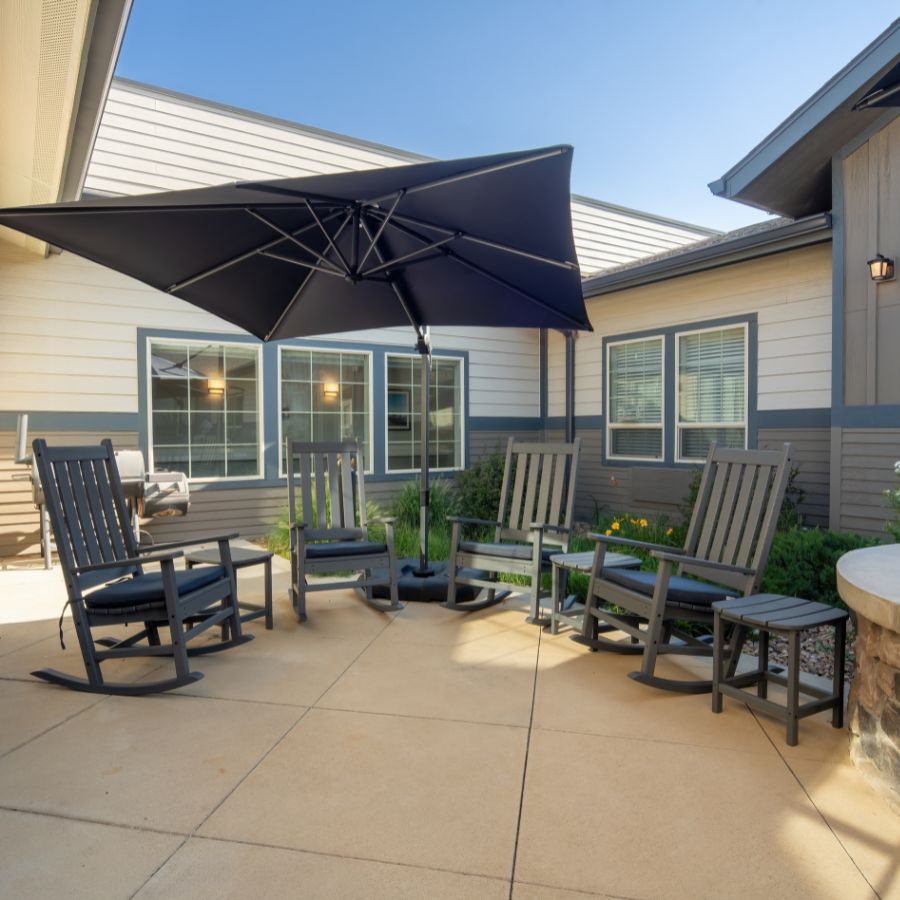
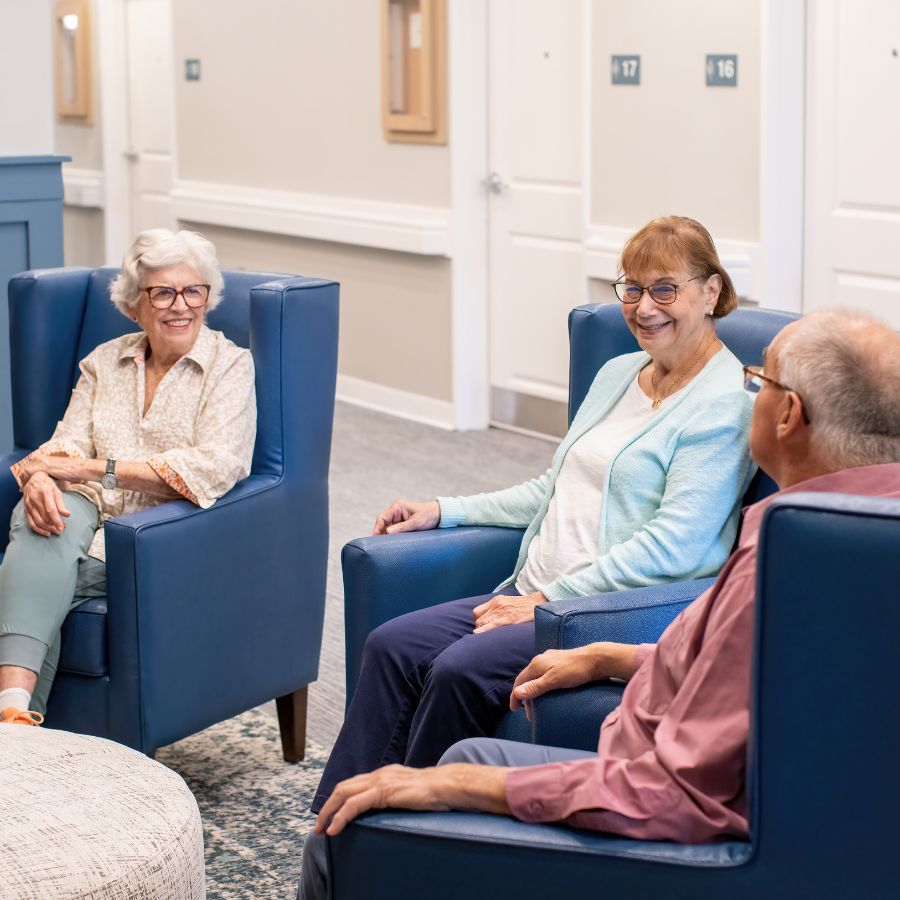
Visiting these beautiful spaces lets you see firsthand how our compassionate associates help uplift residents in their cozy apartments every single day.
Our Heartfelt Touchpoints Philosophy
Our community takes pride in offering a beautifully tailored memory care program called Touchpoints.
We’ve built a deeply personalized framework that supports residents by creating individualized daily plans built around their exact needs and personal preferences.
Our philosophy encourages seniors to shape their own days, supporting their sense of autonomy and purpose. Dedicated associates joyfully honor and celebrate each resident’s distinct life story, fostering a truly warm environment where everyone feels cherished.
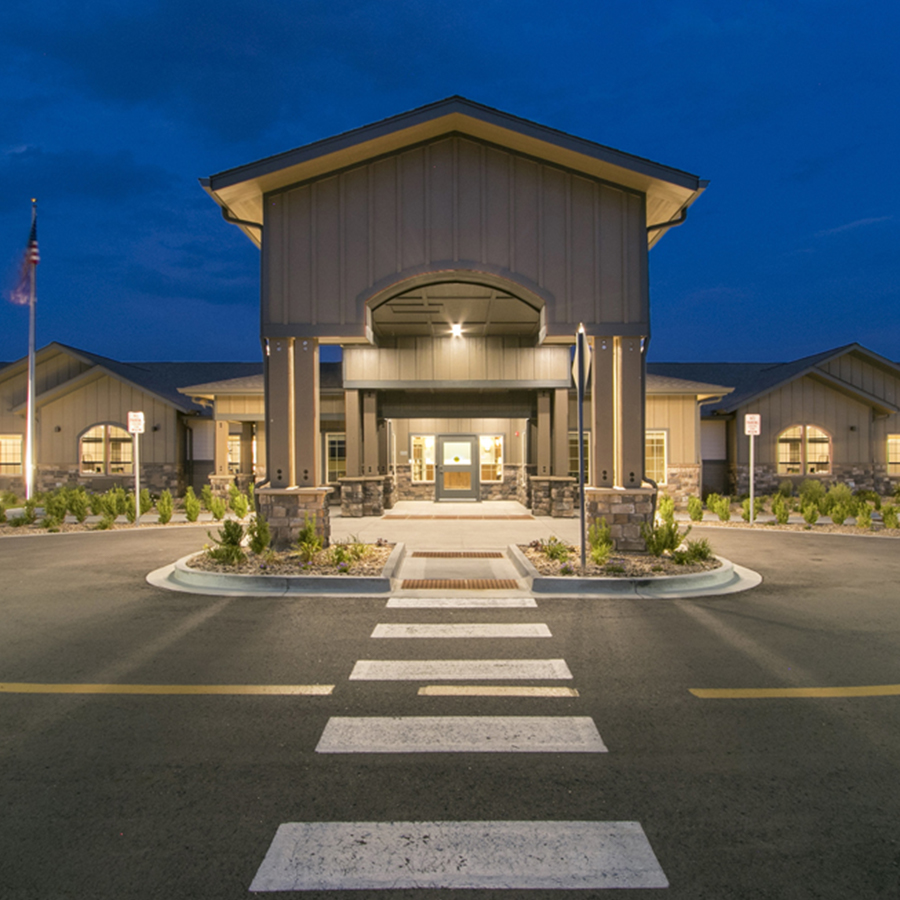
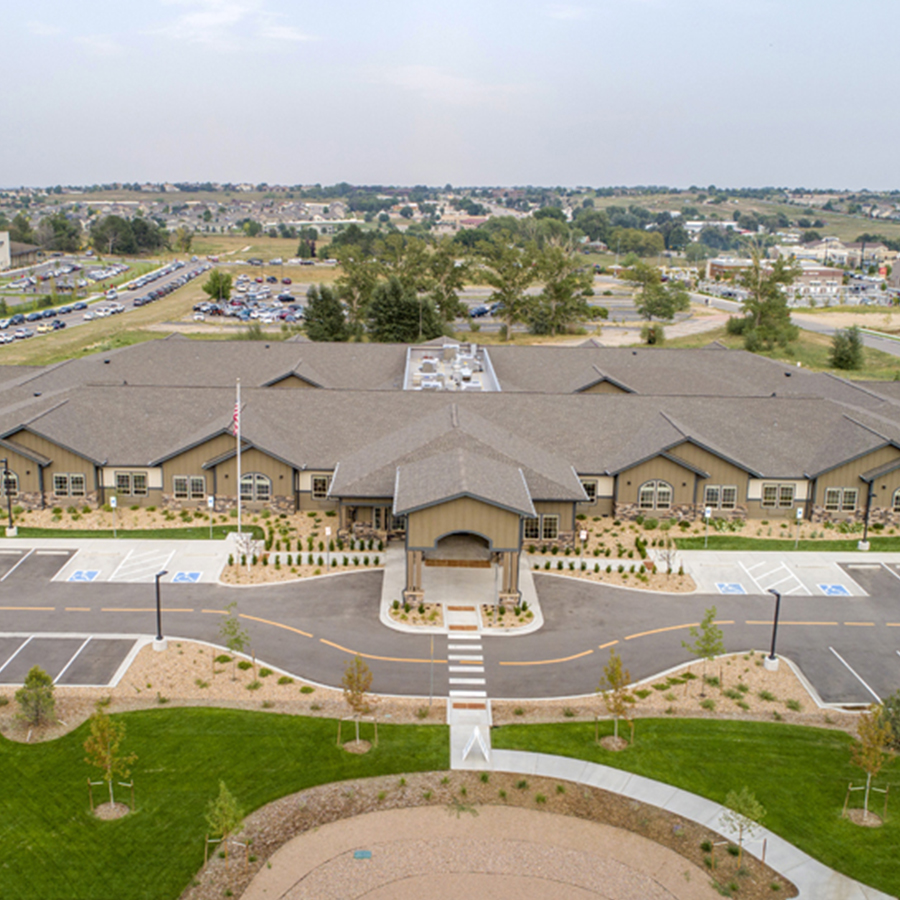
Experience High Plains Crossing for Memory Support in Greeley
Meaningful cognitive support intertwines both physical wellness and emotional warmth to cultivate lasting security and tranquility.
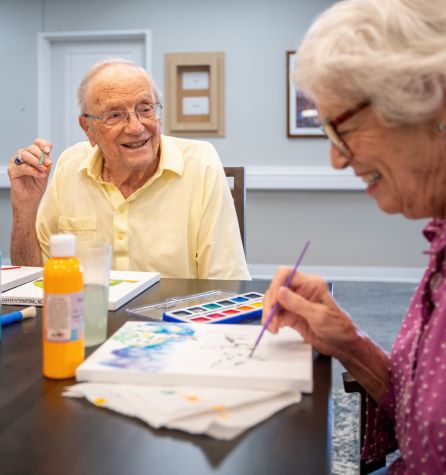
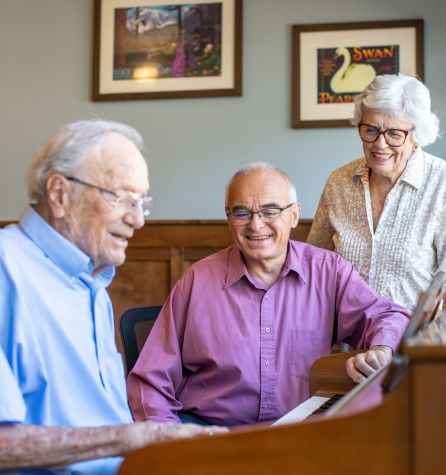
Our team delights in offering purpose-driven activities that can inspire authentic joy, creativity, and self-expression, knitting together a close family of associates, residents, and loved ones.
Schedule a tour today to experience our inviting apartments and supportive community firsthand, and to see how this partnership can uplift your family.