
Key Takeaways
- Early transition to memory care helps your loved one adapt more easily while they can still participate in decisions
- Safety concerns and social isolation at home often signal it’s time to consider specialized care
- Memory care communities provide trained support that benefits both residents and their families
- Professional care allows you to focus on quality time together rather than daily caregiving stress
The Right Time for Memory Care Transition
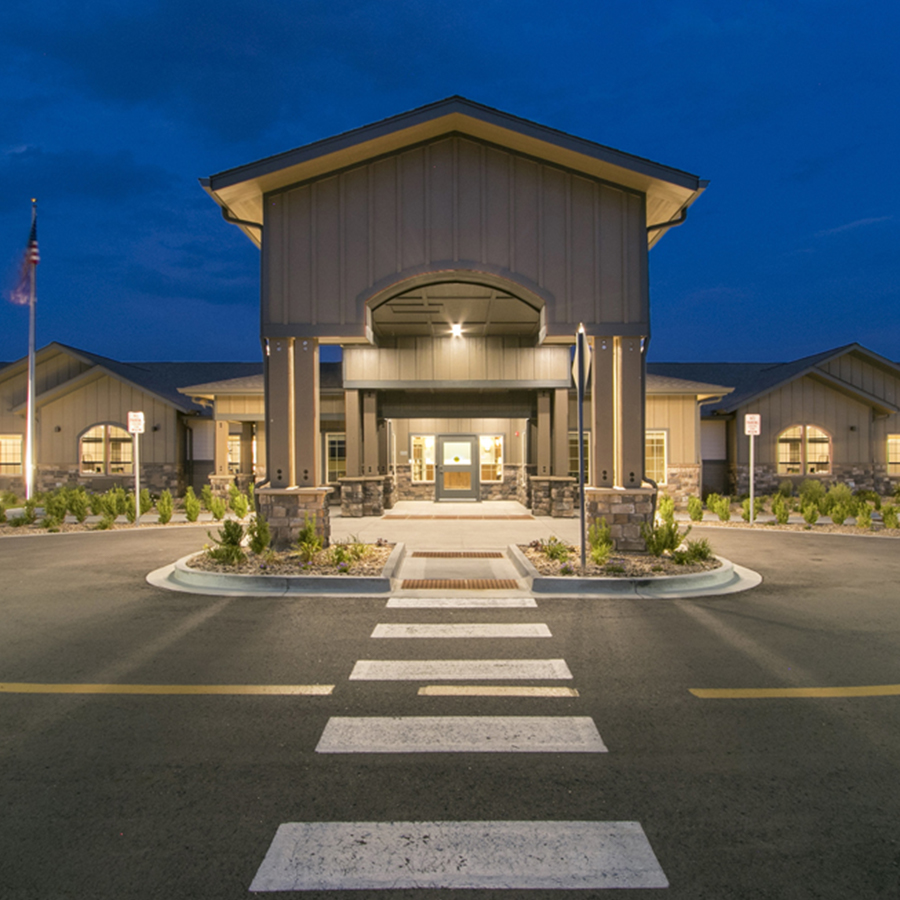
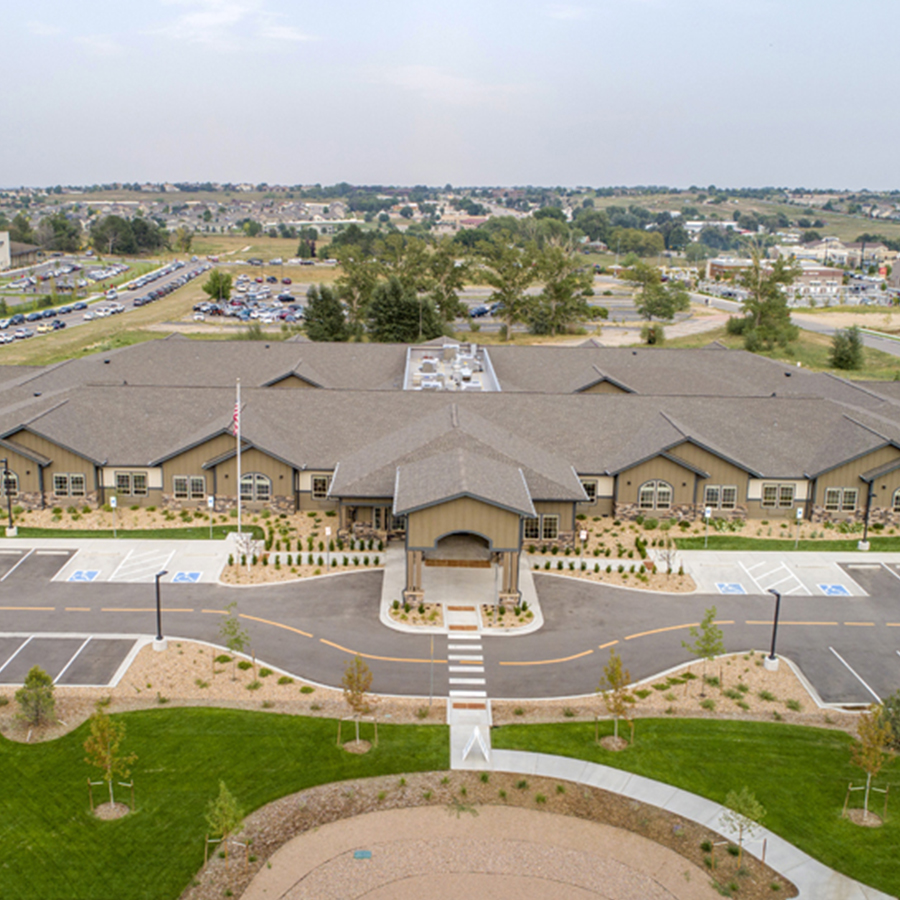
Watching your loved one navigate cognitive changes brings up so many questions about timing and care options. You want to support their independence while keeping them safe, but knowing when to make the move to High Plains Crossing or another memory care community can feel overwhelming.
The truth is, earlier transitions to memory care often lead to better outcomes for both your loved one and your entire family. When people move to specialized care while they can still actively participate in their daily routine, they tend to adjust more smoothly and maintain their sense of self longer.
Signs Your Loved One May Benefit From Memory Care
Certain changes in your loved one’s daily life can help guide your decision about memory care timing. Safety concerns at home become one of the most telling indicators. You might notice they forget to turn off the stove, wander outside at unusual hours, or have trouble recognizing familiar places in their neighborhood.
Daily activities that once came naturally start requiring more support. Simple tasks like managing medications, preparing meals, or handling personal hygiene become challenging to manage independently. Your loved one might also experience increasing social isolation, avoiding activities they once enjoyed or struggling to maintain connections with friends and family members.
These changes don’t happen overnight, and recognizing them early gives you time to explore options while your loved one can still be part of the conversation about their future care. Understanding when memory care is needed can help guide these important decisions.
How Early Transition Supports Better Adjustment
Smoother Adaptation Process
When your loved one moves to memory care while their cognitive abilities are more stable, they can better understand and participate in their new routine. Familiar daily habits transfer more easily to their new environment, helping them feel more at home.
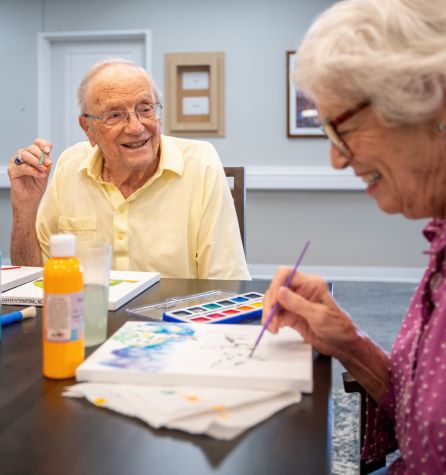
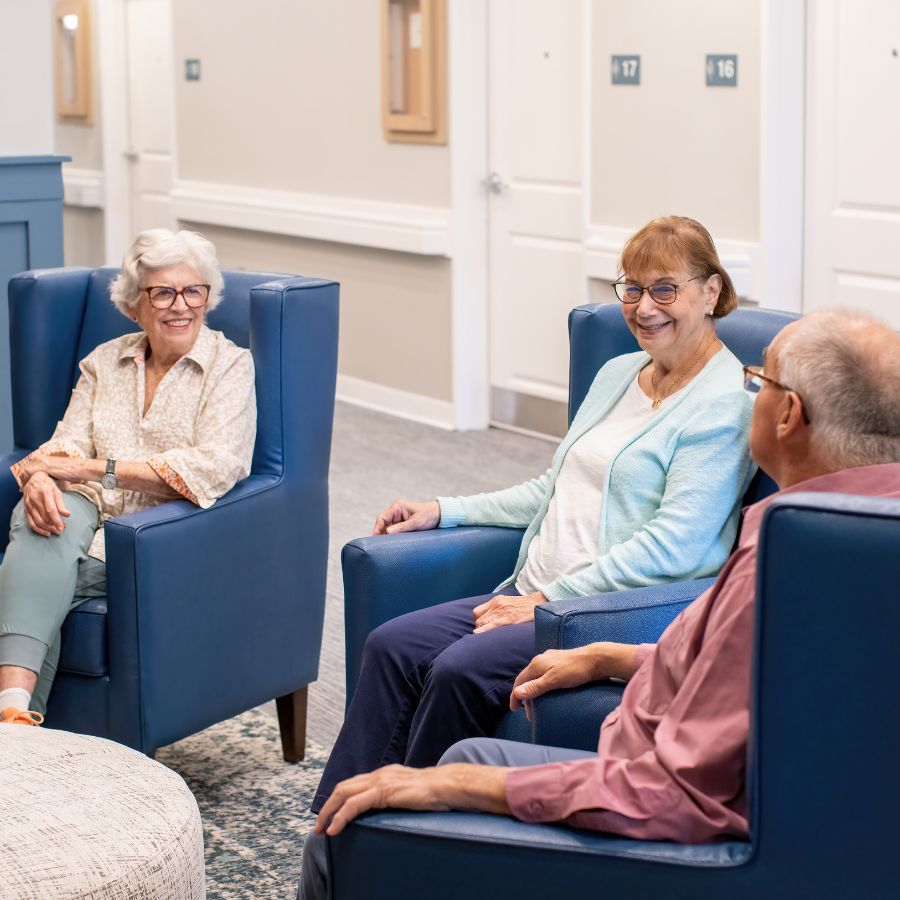
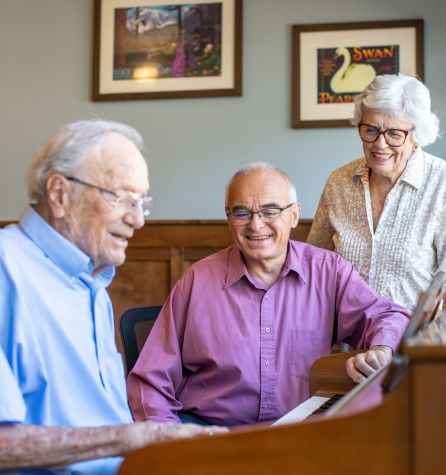
Social connections also form more naturally during this time. Your loved one can engage with other residents, participate in group activities, and build relationships with care associates while they’re still able to communicate their preferences and personality clearly.
Preserved Independence and Choice
Early transition means your loved one can still actively participate in daily decisions about their care and routine. They can express their preferences about meal choices, activity participation, and how they’d like to spend their time.
Personal preferences and individual needs are still clearly communicated, allowing care associates to provide truly personalized support. This active involvement helps maintain their sense of dignity and personal identity throughout the transition.
Benefits of Specialized Memory Care Programs
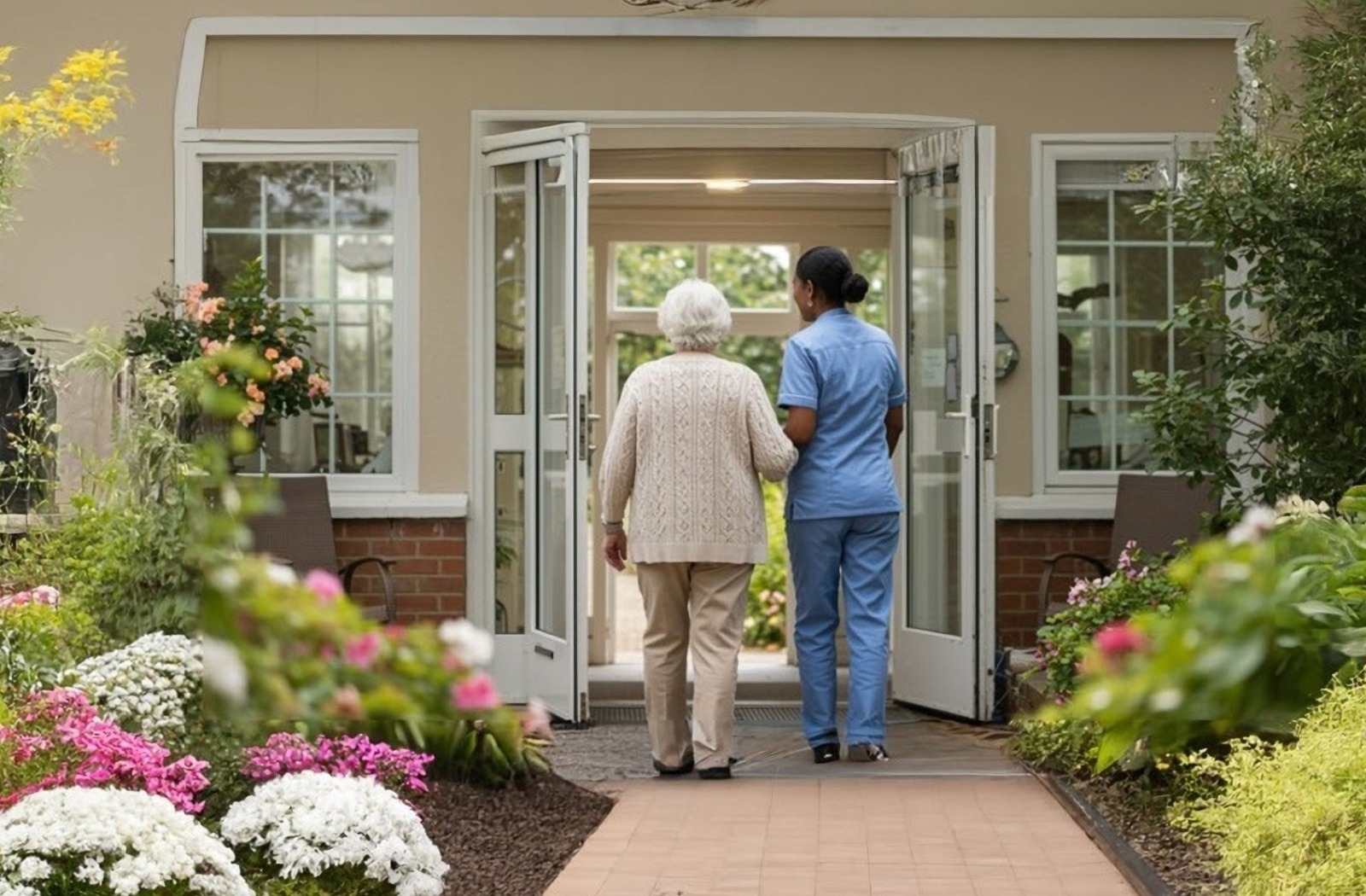
Memory care communities offer something you can’t replicate at home: a team of trained associates who understand cognitive changes and know how to respond with compassion and skill. These care partners recognize the unique needs that come with dementia and Alzheimer’s care.
Structured activities support cognitive function through purposeful engagement. Rather than random entertainment, these programs focus on meaningful experiences that connect with your loved one’s interests and abilities. The safe environment also reduces anxiety that often comes with confusion or disorientation.
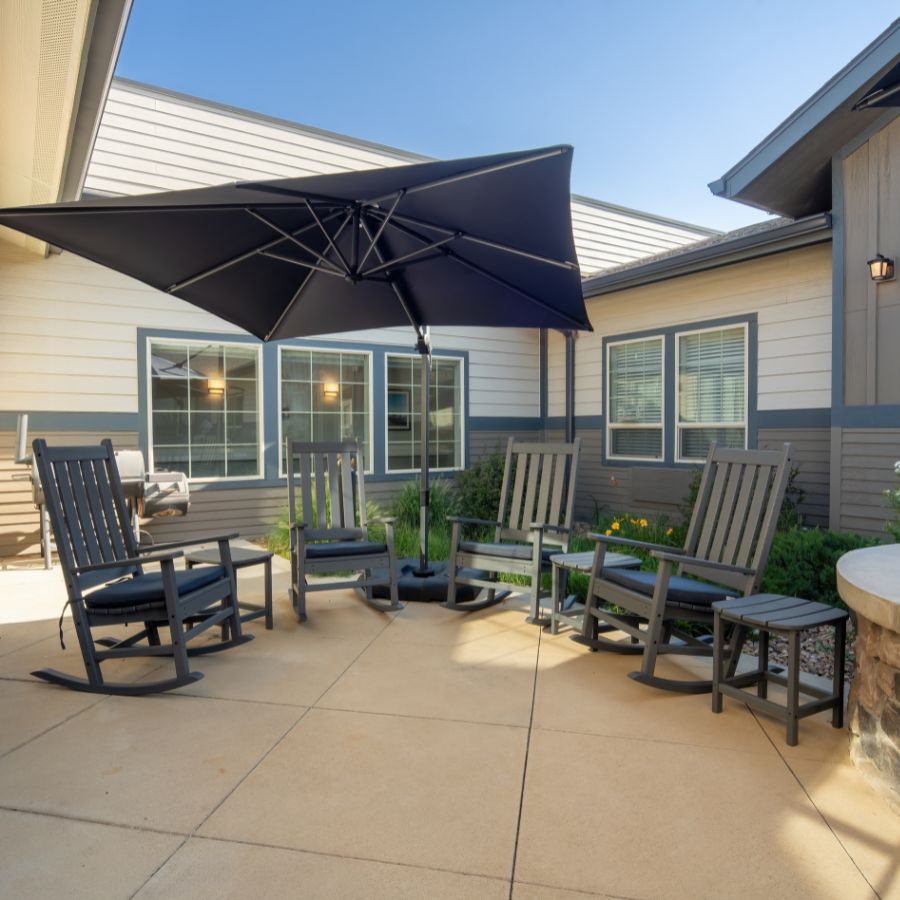
Everything from the physical layout to daily routines is designed with memory care in mind. This specialized approach creates a supportive atmosphere where your loved one can thrive rather than just survive. Memory care communities provide comprehensive support that addresses both safety and quality of life.
How Memory Care Supports Your Whole Family

Relief for Family Caregivers
Professional memory care support can significantly reduce the daily stress you’ve been carrying as a family caregiver. Instead of worrying about safety concerns or managing challenging behaviors on your own, you have a trained team available around the clock.
This support gives you time to focus on relationship quality rather than caregiving tasks. You can enjoy visits, share stories, and simply be present with your loved one without the pressure of managing their daily care needs. Understanding caregiver stress and finding professional support can help prevent burnout.
Peace of Mind for Everyone
Knowing that trained care is available 24 hours a day brings tremendous peace of mind to families. You can rest easier knowing your loved one is safe, supported, and engaged in meaningful activities even when you can’t be there.
Memory care communities also encourage regular family involvement, so you remain an important part of your loved one’s daily life. The difference is that you’re part of a care team rather than handling everything alone.
Taking the Next Steps Toward Memory Care
If you’re considering memory care for your loved one, visiting communities in person can help you understand what daily life looks like. Schedule a tour to explore different options and see which environment feels right for your family’s needs.
At High Plains Crossing, our Touchpoints approach creates a nurturing environment where residents are celebrated for their individuality. Our associates work closely with families to provide personalized memory care that honors each person’s unique story. We invite you to visit our community in Greeley and see how we can support your loved one’s journey with compassion and experience.