

Key Takeaways
- Mixed dementia simply means someone is experiencing 2 or more types of cognitive changes at once
- Growing older and having a family background of memory changes play a large role in these adjustments
- You might see things like misplacing new memories, emotional transitions, and a need for extra help with routines
- Predictable schedules and engaging therapies can foster a sense of peace, joy, and purpose
- Dedicated memory care communities provide a secure, uplifting space where your loved one can thrive
Exploring the Causes, Signs, and Care Paths for Memory Changes
Perhaps you’ve seen your parent looking for extra guidance while baking a favorite treat or finding their way to a beloved neighborhood shop. Balancing their independence with a secure lifestyle is a deeply personal journey.
It’s completely natural to want to surround them with wonderful support while keeping them at ease. So, learning about the distinct shifts happening in their mind is a helpful first step.
Mixed dementia happens when an individual navigates 2 or more types of memory changes at the same time. The unique blend means they may benefit more from a tailored support approach.
You don’t have to figure this out by yourself. Partnering with a dedicated memory care neighborhood like High Plains Crossing in Greeley can offer your entire family true peace of mind.
Understanding the Fundamentals
How Cognitive Shifts Blend Together
Mixed dementia means multiple factors shape a person’s cognitive journey at once. These shifts can include overlapping memory changes that influence one another.
For example, a physician might explain this as a mix of protein deposits in the brain (Lewy body dementia) alongside circulation changes (vascular dementia). Together, these factors shape how your family member takes in new details or manages routine tasks.
Frequently Seen Combinations
Many individuals experience a blend of Alzheimer’s disease and vascular dementia together. Another common pairing is Lewy body dementia (LBD) with other cognitive changes.
Medical professionals typically determine this by observing current behaviors and reviewing brain scans. While every path is unique, gaining a clearer picture helps you thoughtfully map out their future care.
Familiar Origins and Influencing Factors
Changes in Cellular Connections
Over time, natural changes in the brain can disrupt the usual flow of signals. This happens gradually as a person moves through the later stages of life. When these pathways shift, they can affect memory recall, thinking or judgment, and everyday movements.
Understanding these intertwined changes helps you create the supportive environment that meets your loved one’s unique needs.
Understanding Common Influences
Growing older is a primary factor, especially for those celebrating life beyond age 65. Genetic factors play a role, so you may be more likely to experience certain forms of dementia if you have relatives who have experienced similar memory changes.
Cardiovascular health is a significant factor in cognitive wellness. Concerns like elevated blood pressure or cholesterol can gradually affect overall brain function by reducing blood flow.
Gentle Clues to Look Out For
Shifts in Thinking and Recall
You may see your parent ask for help with words in conversation or finding their way on a familiar drive. Early recall changes usually center on recent events and advance through stages. Routine chores may also start to require a supportive hand.
These subtle shifts are often a good cue to explore dedicated dementia care.

Changes in Expressions and Feelings
Your loved one might want more predictability when their daily schedule shifts. Adjusting to new sleep patterns is normal and can sometimes bring a need for more afternoon rest. Taking a moment to remember the time or location is also a natural part of this journey.
Recognizing these personal adjustments highlights the value of a secure, loving space where they can thrive.
Moving Through the Journey
As the years pass, these cognitive shifts evolve. Eventually, your loved one may welcome a helping hand with personal routines like eating and dressing. Around-the-clock memory care helps them stay comfortable and secure.
Choosing a compassionate neighborhood can offer a profound sense of comfort to everyone involved.
Uplifting Care Methods and Holistic Therapies
Physician Guidance and Wellness Routines
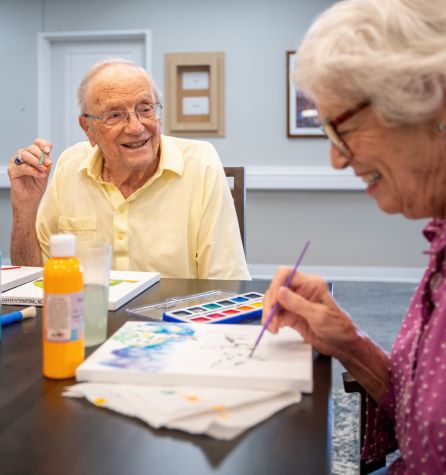
A trusted physician might offer supportive prescriptions to encourage restful sleep and a relaxed state of mind. Occupational and cognitive exercises can help support independence and mobility. Music and art therapy can spark joy and peace.
Ultimately, a well-rounded care strategy celebrates both physical vitality and emotional wellness.
The Value of Specialized Memory Care
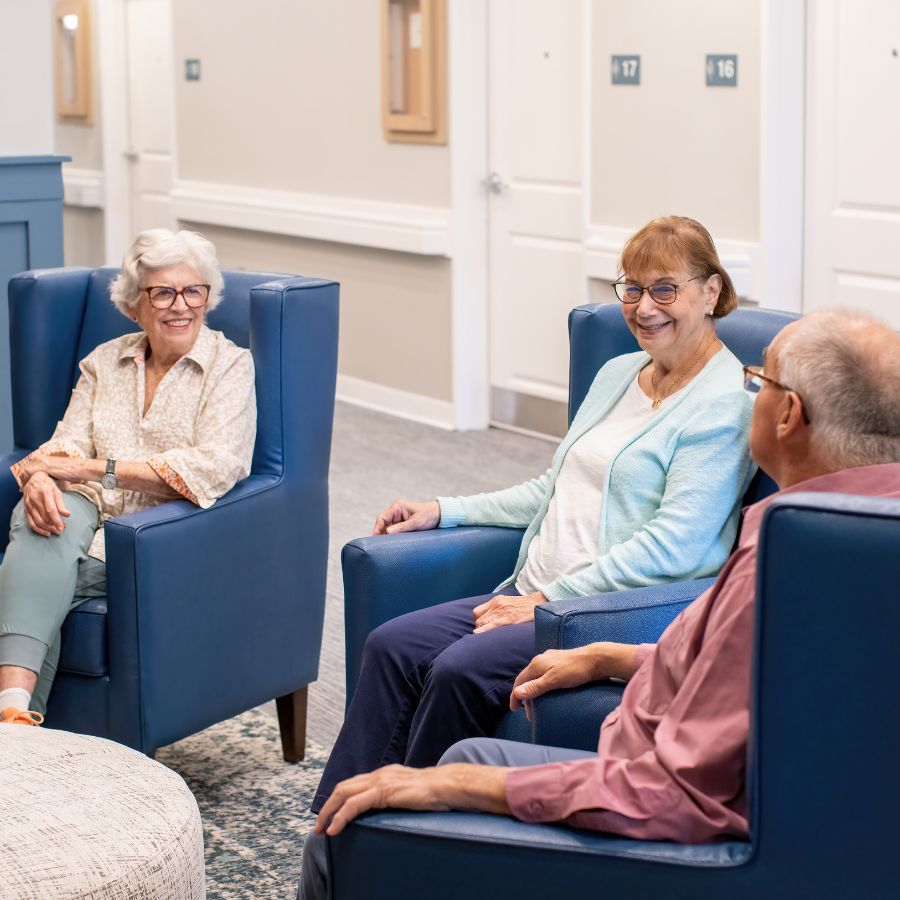
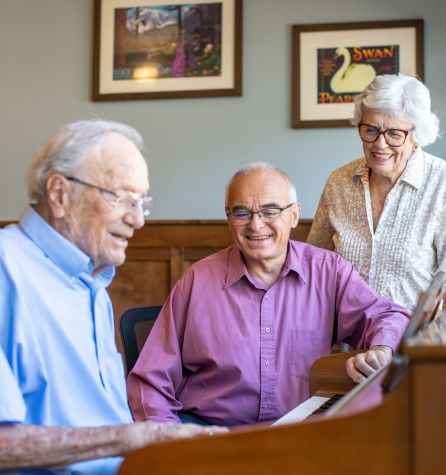
Dedicated memory care supports everyday routines and personal wellness. Engaging programs foster creative expression and nurture beautiful bonds among friends and relatives.
Your loved one can flourish in an uplifting atmosphere built entirely around their well-being. Moving to a warm senior living neighborhood empowers you to step back into your role as a loving family member.
A Welcoming Neighborhood for Your Family Member
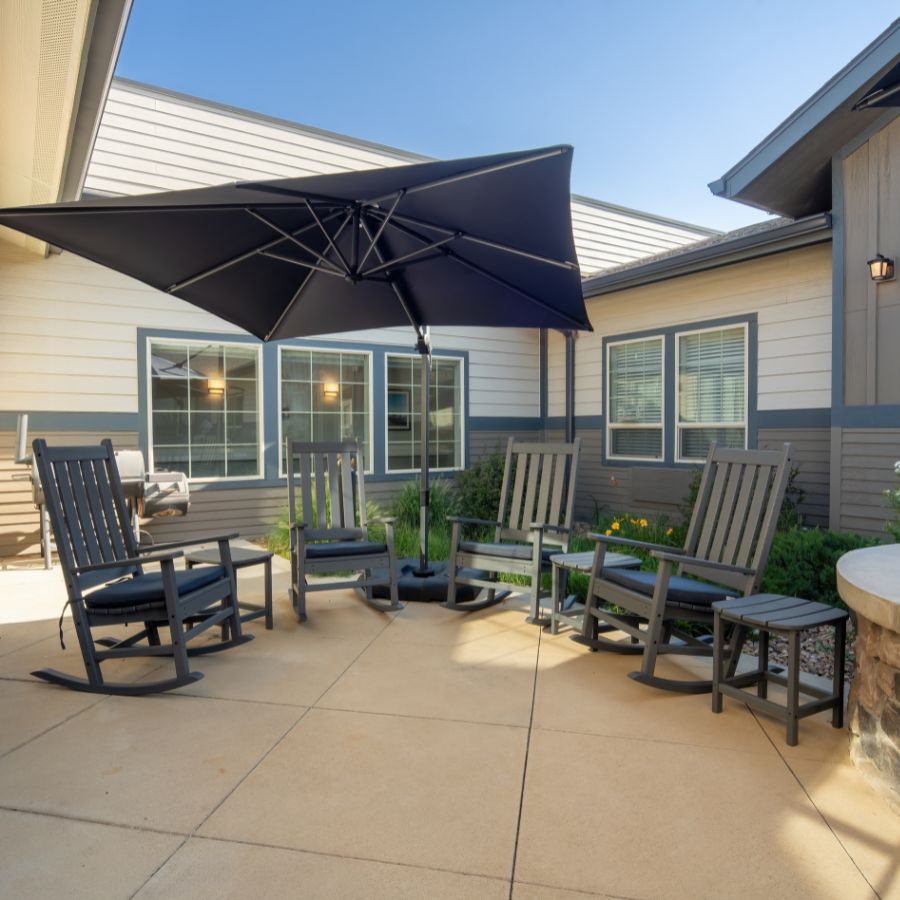
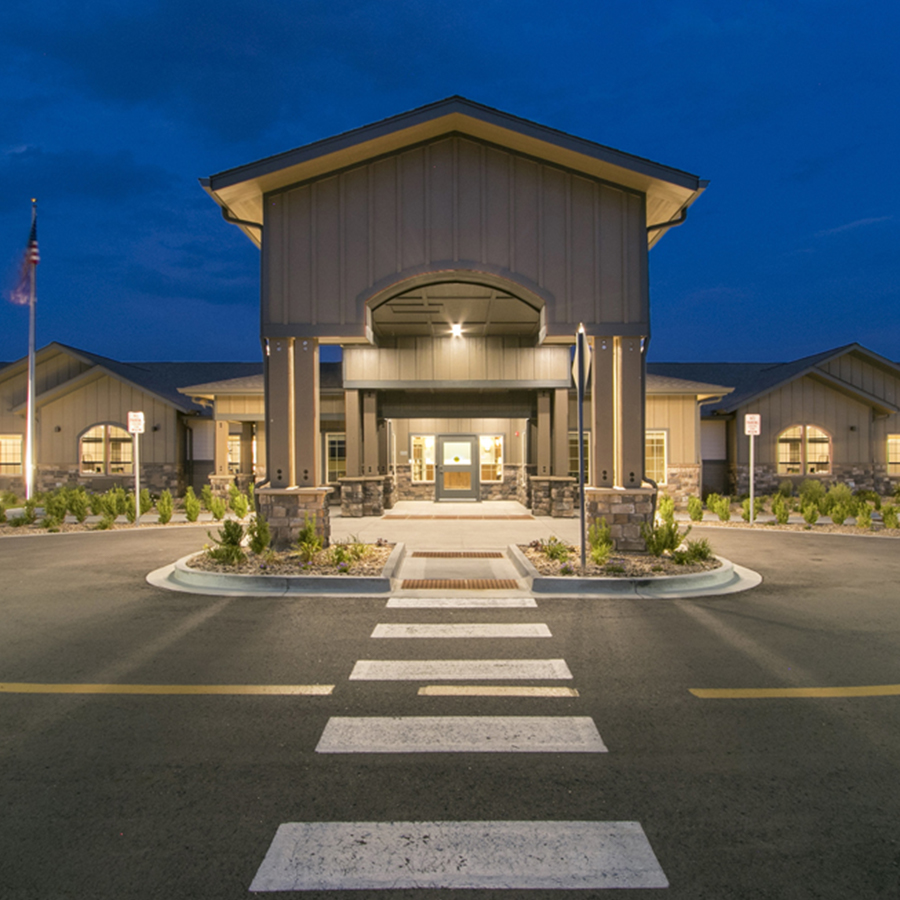
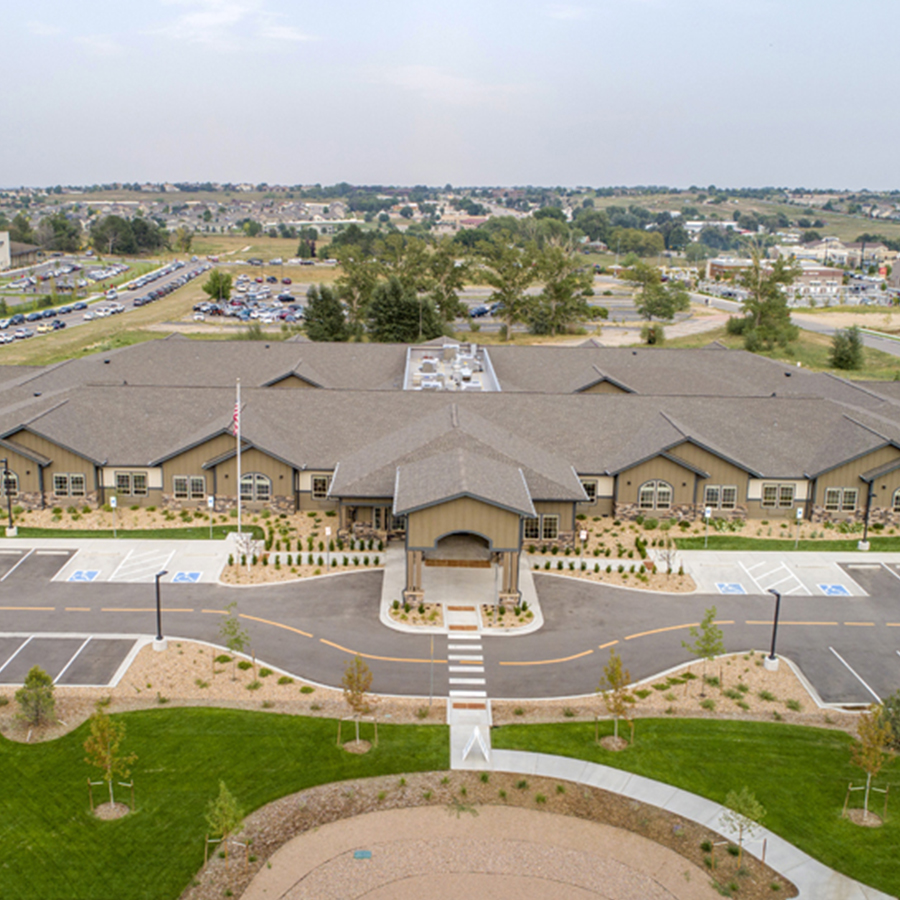
Discover a bright new chapter at High Plains Crossing, where empathetic support and thoughtful design merge to offer a truly uplifting lifestyle.
By dedicating our hearts to older adults with memory changes, we help your loved one feel cherished and understood every day. Our distinctive Touchpoints philosophy unites residents, their loved ones, and our care partners in a deeply connected community.
Our specialized framework relies on a few principles to support your family:
- Customized safety strategies thoughtfully crafted to honor individual well-being
- Daily activities to inspire residents to shape their own joyful moments
- Individualized interactions celebrate the unique life story of every person
- Caring associates prioritize comfort, promoting a tranquil atmosphere
- Vibrant social calendars cultivate a life full of purpose, joy, and deep connections
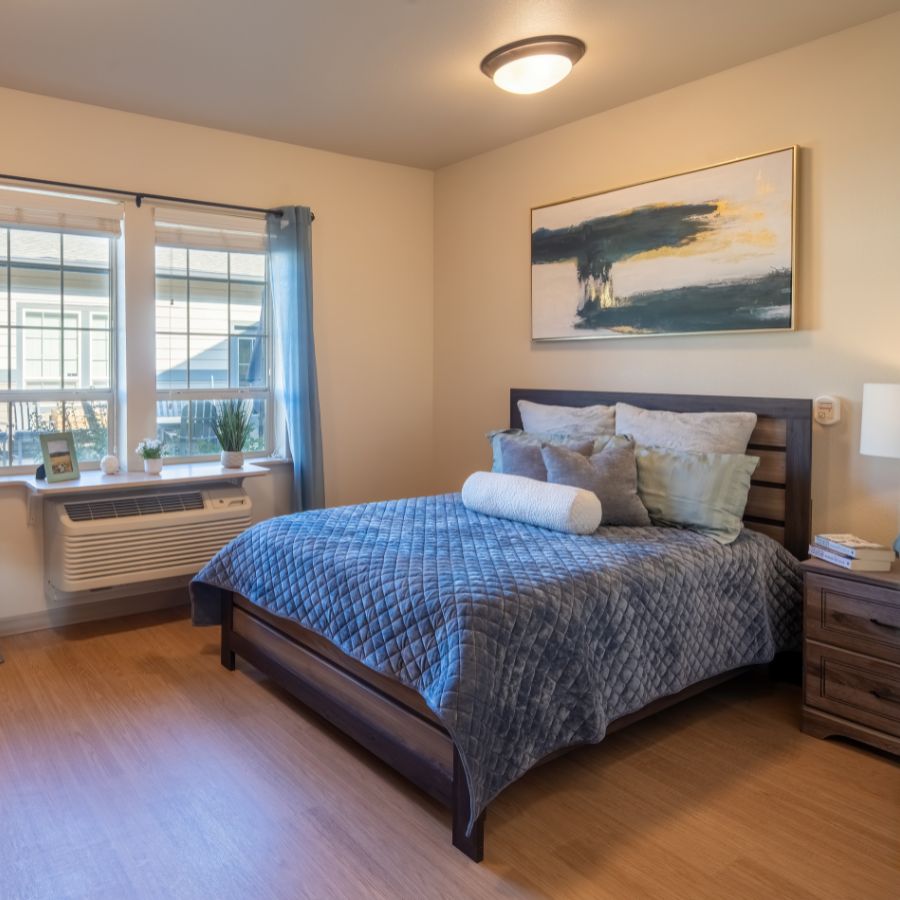
Residents thrive in their own comfortable apartments, purposefully designed to encourage physical and emotional well-being. Your family can enjoy genuine peace of mind, knowing your loved one is supported and uplifted as they navigate this new season.
Connect with our friendly team to schedule a tour and experience our inviting neighborhood firsthand.