
Key Takeaways
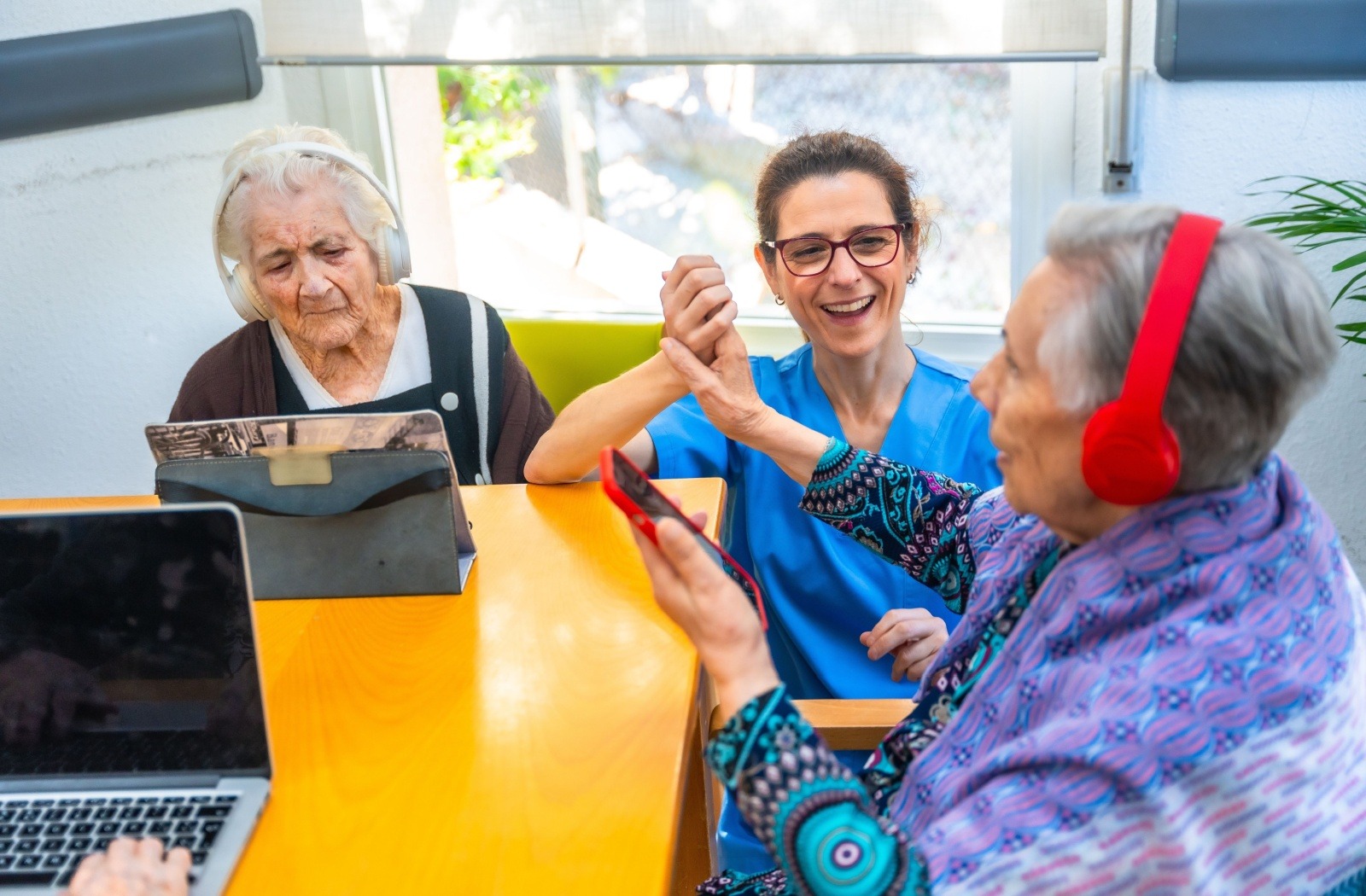
- Music pathways in the brain remain active longer than other cognitive functions during dementia progression.
- Music therapy reduces anxiety, improves mood, and encourages social connection for people with cognitive changes.
- Simple activities like personalized playlists and group singing can make a meaningful difference in daily life.
- Quality memory care communities incorporate music therapy as part of their comprehensive approach to resident care.
Music Therapy for People with Cognitive Changes
Watching your loved one navigate the challenges of dementia can feel overwhelming, especially when you see them struggle with activities that once came naturally. You might notice they have trouble recognizing faces or remembering recent conversations, yet they still light up when hearing a favorite song from decades ago.
Music therapy offers a powerful way to connect with your loved one, even as other forms of communication become more difficult. This therapeutic approach uses music to address emotional, physical, and cognitive needs while honoring the person your loved one has always been. High Plains Crossing understands how meaningful these connections can be, especially when integrated into comprehensive memory care programs.
How Music Connects with the Brain During Cognitive Changes
The brain processes music differently than other types of information, which explains why your mom might forget your name but still sing every word to her wedding song. Musical pathways often remain intact longer as dementia progresses, creating opportunities for meaningful connection.
Familiar songs can trigger emotional responses and positive reactions even when other memories seem distant. You might see your dad’s face brighten when he hears big band music, or watch your mom start moving to the rhythm of a tune she danced to in her youth. These responses happen because music activates multiple areas of the brain simultaneously, including regions responsible for emotion, movement, and long-term storage.
Ways Music Therapy Supports Daily Life
Emotional and Social Benefits
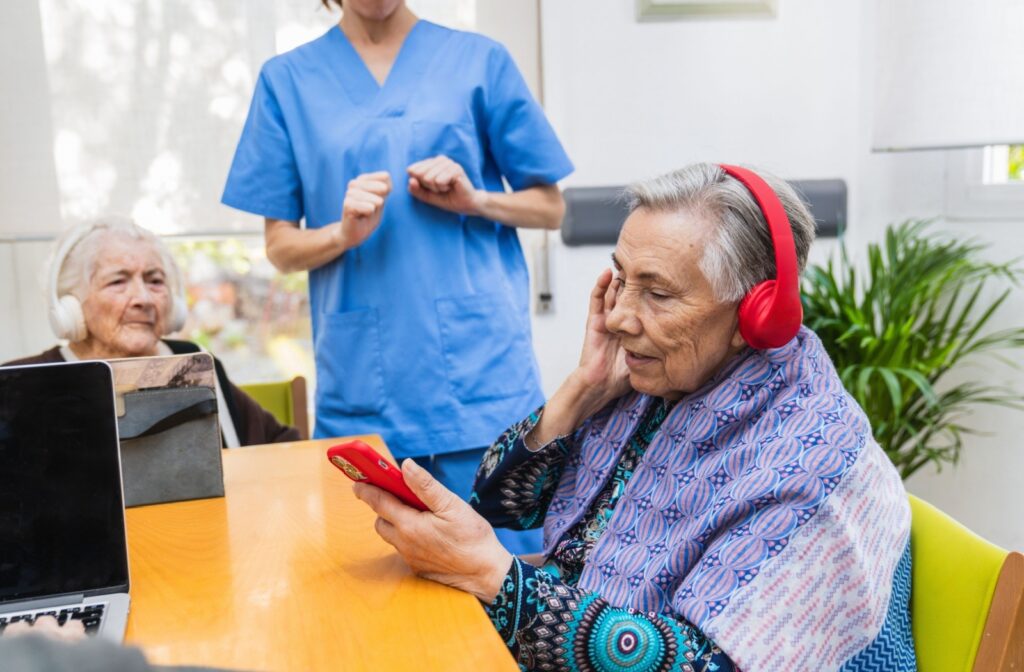
Music has a natural calming effect that can help reduce anxiety and agitation throughout the day. When your loved one feels restless or confused, gentle melodies can provide comfort and a sense of security. Many people with dementia experience less stress during activities that include background music or live performances.
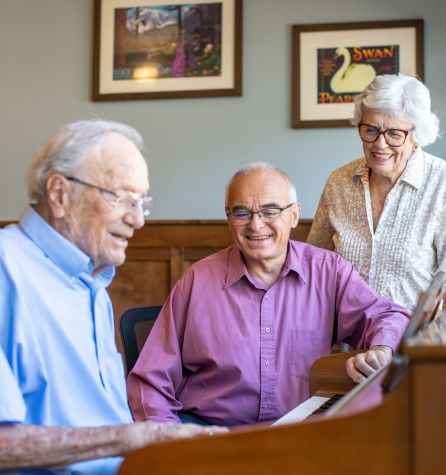
Group music activities also encourage social interaction, even for residents who typically keep to themselves. Singing together creates a sense of community and shared experience that goes beyond words. Studies indicate that music therapy can improve social interaction and creativity in older adults living in care communities.
Physical and Cognitive Support
Rhythmic music naturally promotes movement and can help maintain coordination skills. You might notice your loved one tapping their feet, clapping along, or even standing to dance during musical activities. These physical responses support mobility and can contribute to better overall health.
Music also stimulates speech and communication pathways. Some people who struggle with regular conversation find they can sing along to lyrics or respond to musical cues more easily than in other forms of interaction.
What Music Therapy Looks Like in Memory Care
Professional music therapy in memory care settings takes many different forms, all designed to meet residents where they are. Group singing sessions might feature classic songs from different eras, allowing each person to connect with music from their youth.
Individual music listening sessions can be tailored to personal preferences and mood needs. Some residents benefit from quiet instrumental pieces during rest time, while others enjoy upbeat songs that encourage movement and participation.
Interactive instrument activities, such as playing simple percussion instruments or keyboards, give residents hands-on ways to create music together. These activities don’t require previous musical experience and can be adapted to different ability levels. Quality memory care communities incorporate these therapeutic activities into their comprehensive programming.
How to Bring Music Into Your Loved One’s Day
You don’t need to wait for formal therapy sessions to share the benefits of music with your loved one. Creating personalized playlists with their favorite songs from different life stages can provide comfort during visits or quiet moments throughout the day.
During your visits, consider bringing along songs that held special meaning for your family. You might play the music from their wedding, lullabies they sang to you as a child, or tunes from their favorite movies. These shared musical moments can create new positive experiences while honoring cherished connections.
Ask the memory care community about their music programs and how you can support your loved one’s participation. Many communities welcome family input about musical preferences and meaningful songs.
Finding Memory Care Communities That Value Music and Personal Expression
When exploring memory care options for your loved one, look for communities that incorporate music as a regular part of their programming. Quality communities understand that activities like music therapy aren’t just entertainment. They’re important tools for supporting cognitive, emotional, and social well-being.
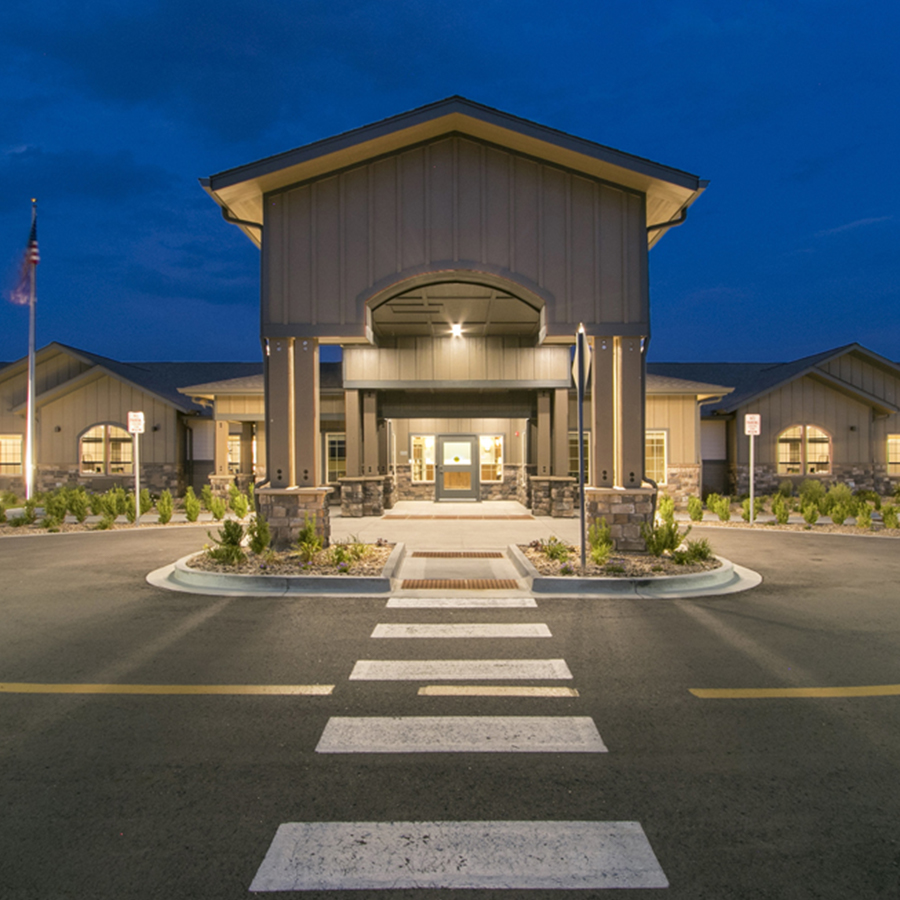
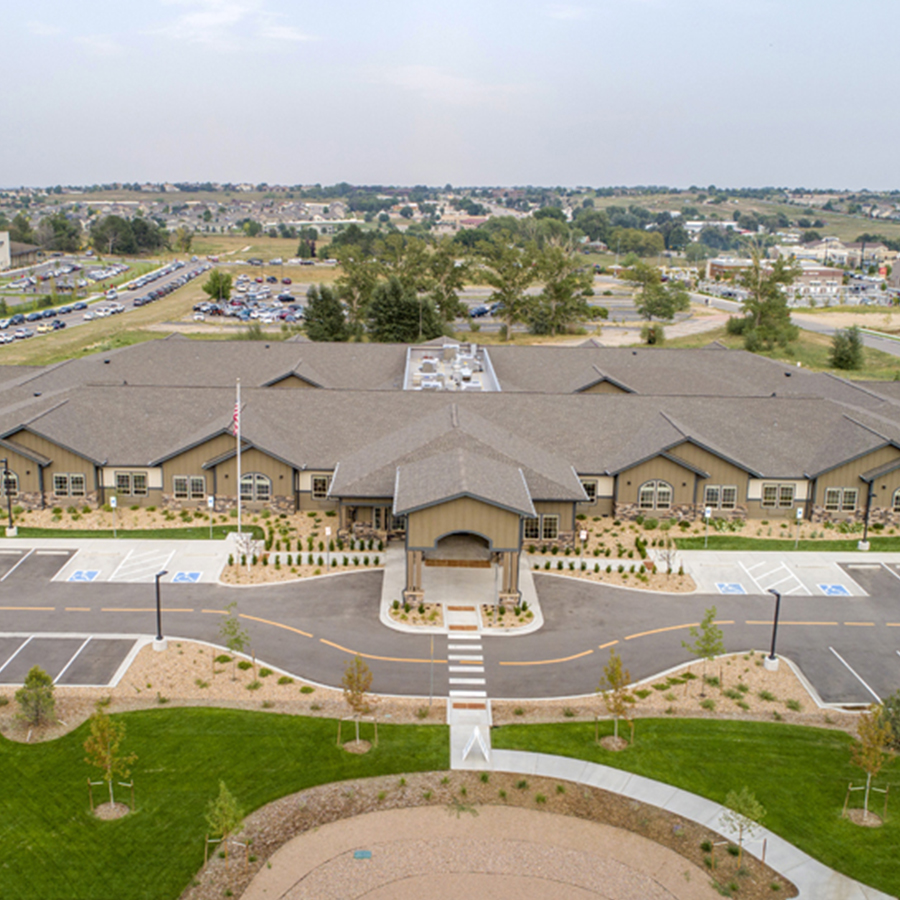
High Plains Crossing recognizes the power of personalized approaches like music therapy in memory care. As one of our signature programs, Monarch Melodies taps into the universal language of music to bring joy and calm to our residents’ daily lives. By curating familiar tunes and soothing rhythms, we create pathways for residents to unlock fond memories, express themselves, and find deep comfort in their surroundings. Through our Touchpoints approach, we create individualized care plans that celebrate each resident’s unique story and interests, including their musical preferences and history.
Schedule a tour to see how music and other meaningful activities can become part of your loved one’s daily experience in a supportive memory care community.
Music has a way of reaching places words sometimes can’t. This short clip beautifully illustrates the meaningful impact that music and memory care programming have on a resident’s emotional well-being and daily life.