

Important Takeaways To Remember
- Asking to go home typically signals a deeper desire for reassurance and emotional support
- Acknowledging their feelings and gently shifting focus proves more helpful than relying on facts
- Making small adjustments to the environment can easily bring peace to an unsettled mind
- Following a predictable daily schedule brings comfort and helps keep moments of unease at bay
- Specialized senior living communities offer tailored assistance and a secure environment for families
Helpful Techniques for Comforting Your Loved One at Home
Hearing a parent plead to go home while relaxing in their own apartment can stir up complicated feelings. You’re doing your best to create a secure environment, and our compassionate associates at High Plains Crossing understand how hard it is to find that balance.
It’s completely normal to feel a bit unsure about how to respond in these moments. These situations often arise when someone is experiencing cognitive decline, and they call for a gentle, patient approach.
You can bring peace to your family member by acknowledging their emotions, offering comforting distractions, and establishing a steady daily rhythm that fosters a sense of safety.
Responding with warmth and understanding can make a real difference. By learning to uncover the true meaning behind their words, you can help preserve a calm atmosphere. A few simple adjustments to your conversation style can wrap your loved one in comfort and reassurance.
Understanding the Request to Go Home
Underlying Physical and Emotional Needs
An unexpected request to leave usually points to a specific emotional longing or physical discomfort. Perhaps a loud television feels like too much, or they feel sleepy but struggle to communicate that fatigue. Such situations spark an intense craving for security.
Taking in too much sensory information can create feelings of unease for older adults living with memory loss. When the mind becomes overloaded, their first instinct is to retreat to something familiar.
Identifying these sensitivities early helps keep everyone comfortable, since moving to a tranquil room often restores peace right away.
The True Meaning of Home
When they mention home, they’re rarely talking about a specific location or street sign. Instead, it signifies a comforting memory from a period when everything felt steady and safe. Your family member may be recalling a childhood home where they felt independent and strong.
Home is ultimately a feeling of warmth and belonging. Understanding this deeper meaning allows you to soothe their feelings instead of trying to correct the facts. You can offer that same sense of belonging right now.
Answering with Warmth and Care
Acknowledge How They Feel
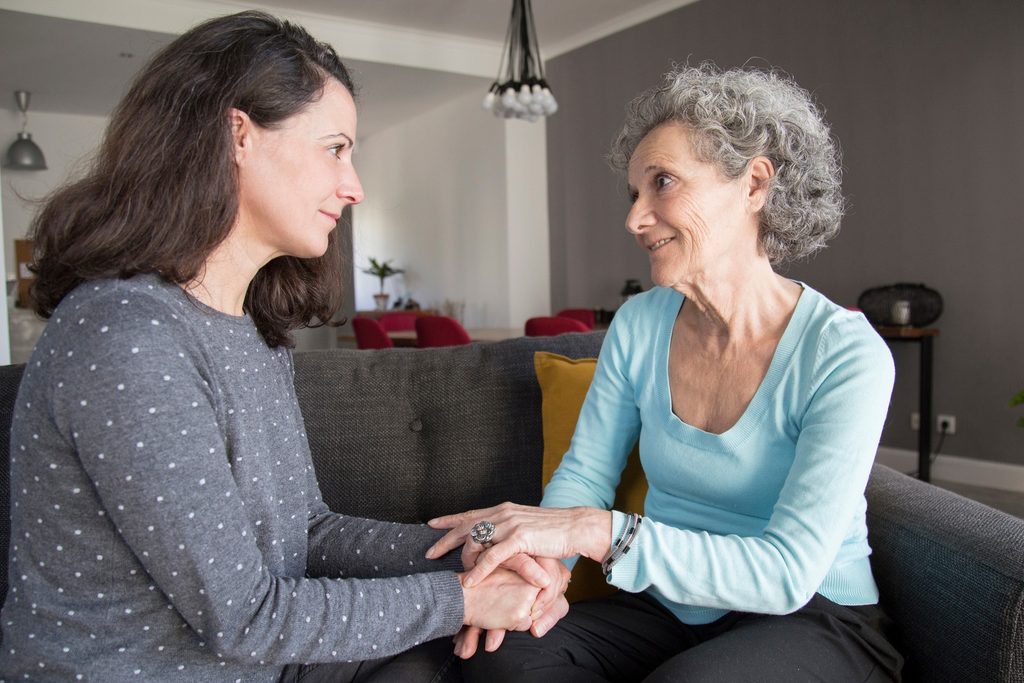
Offering a loving response starts with patient listening. Validate their worries without correcting any inaccuracies. Letting them voice their concerns helps them feel heard and respected during a disorienting experience.
Follow up with soft words of reassurance to confirm their safety. Let them know they are protected and that you’ll remain right next to them. Affirmation helps soothe worried nerves and deepens your bond of trust.
Bypass Corrections and Focus on Connection
Relying only on facts isn’t very helpful when someone feels upset or unsure. Trying to convince them they are already in their own house can create unnecessary tension and make the moment harder for everyone involved.
Skip the logical explanations and focus on emotional support. Pointing out memory mistakes can feel dismissive to an individual navigating cognitive decline. Instead, lovingly join them in their current reality to encourage a beautifully calm interaction.
Practical Ways to Provide Comfort
Shift Focus with Engaging Activities
Offering an alternative focus is a wonderful approach in dementia care. Flipping through family photo albums together provides an easy way to guide their attention elsewhere. Recalling fond moments sparks joy and channels their energy into delightful conversations.
Offering a beloved snack can instantly lift the mood. You might also ask them to relax with you and listen to soothing music. These calm activities engage their senses and help any remaining tension melt away.
Refresh Their Surroundings
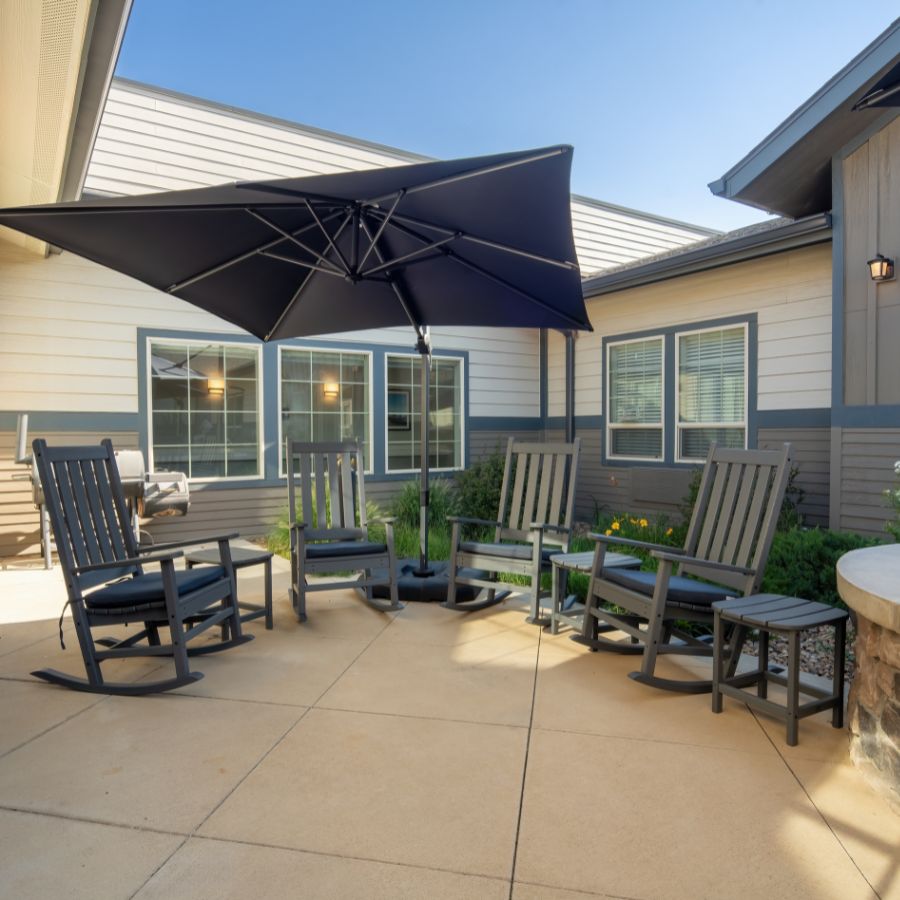
Occasionally, the current space might be adding to their unsettled feelings. You can gently modify the setting by heading outdoors to enjoy some fresh air. A short walk through the garden can offer a fresh perspective and release restless energy.
Lowering the volume of background sounds can significantly improve their overall comfort. Try turning off the television and softening any bright lights in the room. A tranquil environment naturally invites relaxation and helps your loved one feel at ease.
Promoting Daily Comfort with Consistent Alzheimer’s Care
Establish a Familiar Daily Schedule
A well-planned day reduces the worry of surprises. Serve meals at the same time each day to create a comforting daily rhythm. This gentle predictability helps give your family member a sense of security.
Keep evenings as quiet as possible to gently prepare them for a good night of rest. When you must adjust the schedule, do so very slowly. A steady routine creates a strong foundation for quality Alzheimer’s disease care and naturally reduces moments of uncertainty.
Check on Their Physical Needs Often
Hidden physical discomfort can sometimes lead to unexpected moments of unrest. Watch for signs of physical aches, because adjusting a chair or loosening an article of clothing can provide immediate relief.
Provide refreshing drinks throughout the day to maintain hydration and well-being. Offer gentle reminders to use the restroom to prevent discomfort. These thoughtful actions help fully support their essential needs.
Dedicated Support for Your Family with Memory Care
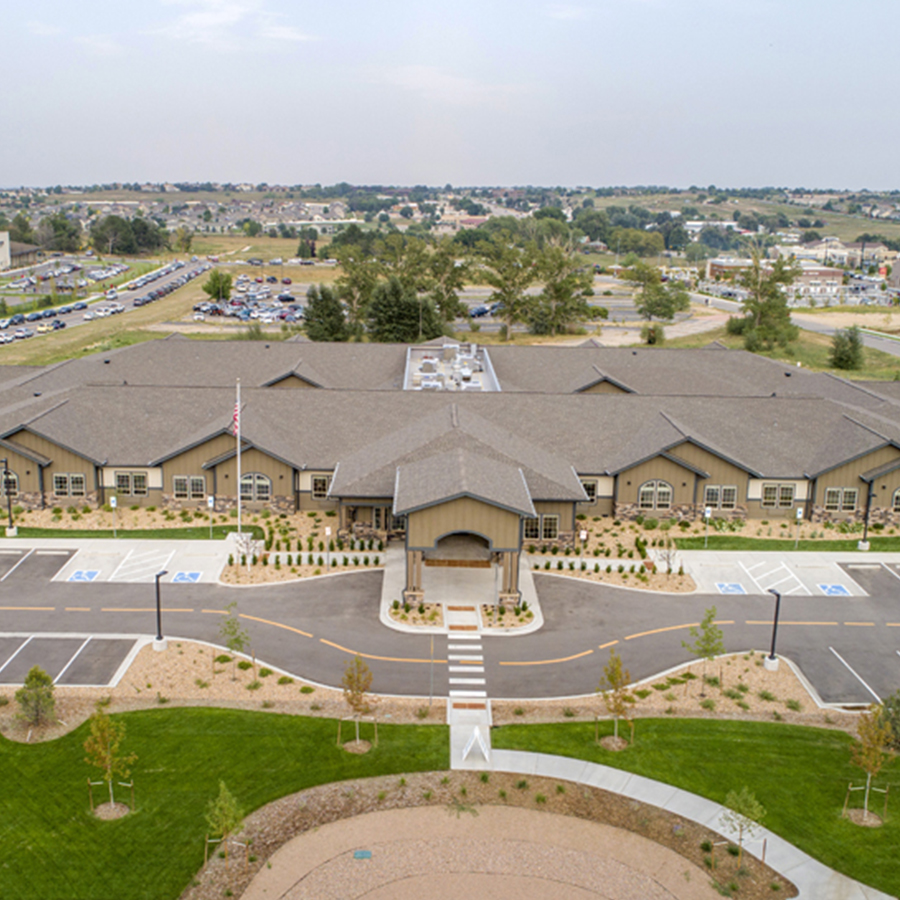
Supporting a family member through memory changes takes a tremendous amount of love. High Plains Crossing features specialized senior living built entirely around individualized memory care.
Our dedicated environment provides warm, daily assistance in a thoughtful, secure space. Our associates rely on the Touchpoints approach to nurture a welcoming community where every person is truly celebrated.
A mindful method helps safeguard residents through personalized safety measures and encourages them to shape their daily routines.
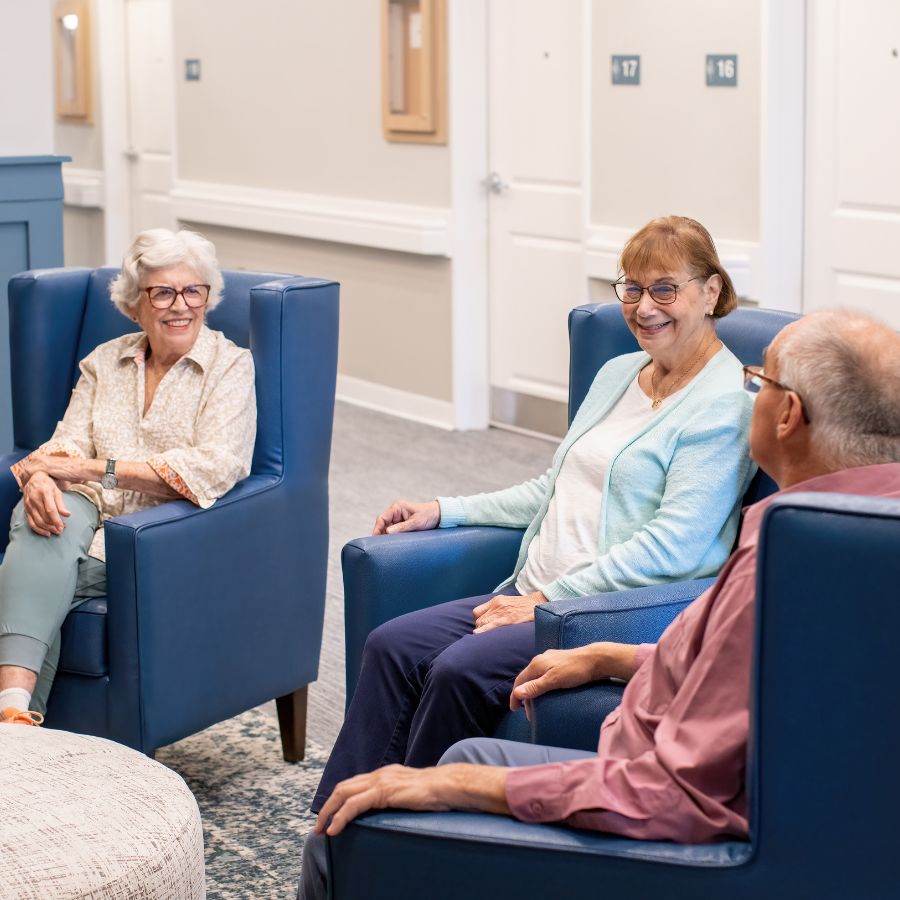
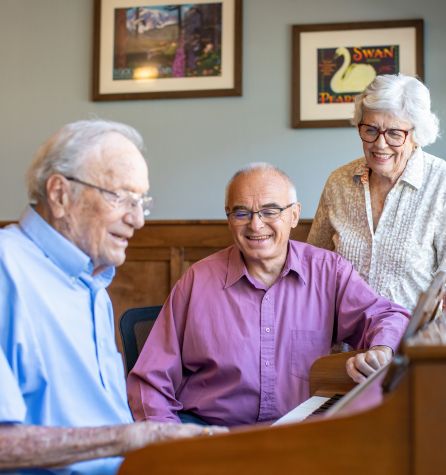
Compassionate associates celebrate each person’s uniqueness while prioritizing emotional and physical well-being. Daily activities also help residents build friendships and enjoy a fulfilling, purpose-driven lifestyle.
Taking the Next Step Together
You don’t have to navigate this journey alone. Explore memory care opportunities in Greeley to see how experienced partners can support your entire family.
High Plains Crossing offers a caring community dedicated to the health and happiness of older adults experiencing cognitive changes.
Schedule a community tour today to view our lovely apartments and explore our tailored care options. You’ll see how our thoughtfully designed environment gives visiting families peace of mind. Let us help you find a circle of support for the person you love most.